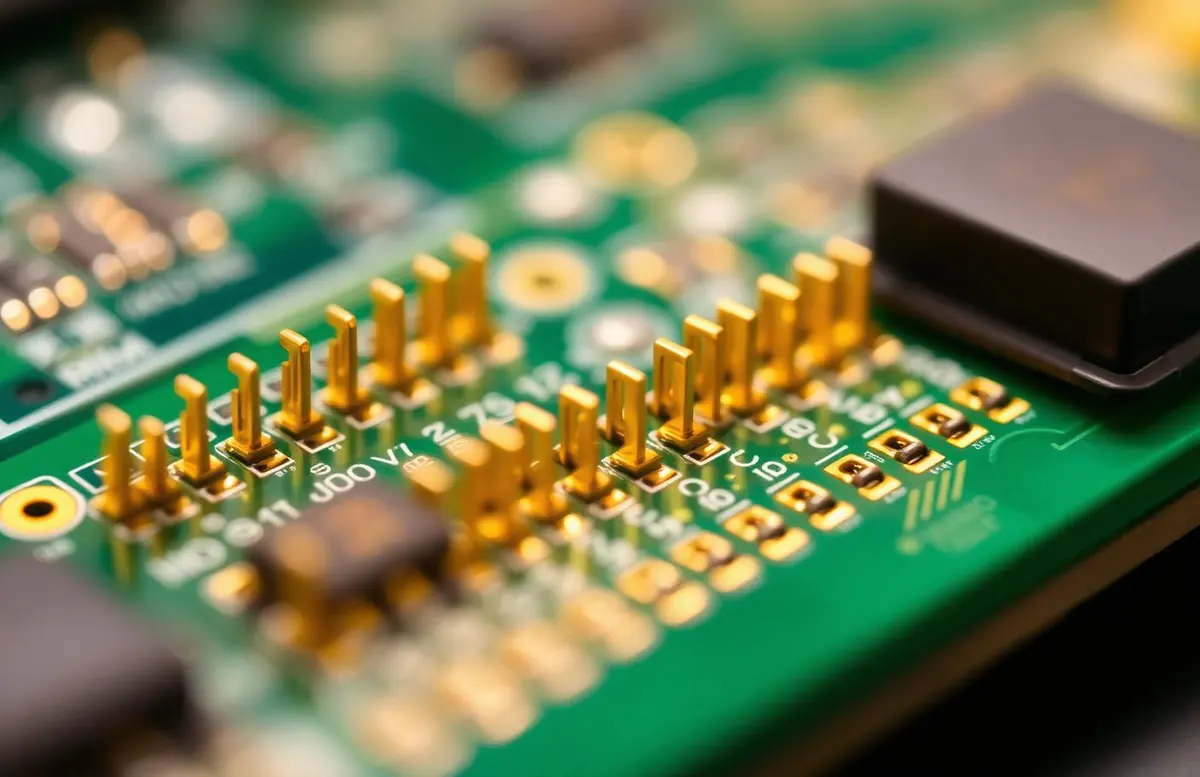
Industrial demand is the quietest third of the gold market: a few tenths of a gram per handset, multiplied by billions of devices, chosen not for prestige but because nothing else conducts as reliably for as long.
Half the world's gold is worn, not stored. In India and China that distinction barely exists — and the buying behaviour it produces is the most reliably contrarian force in the entire market.
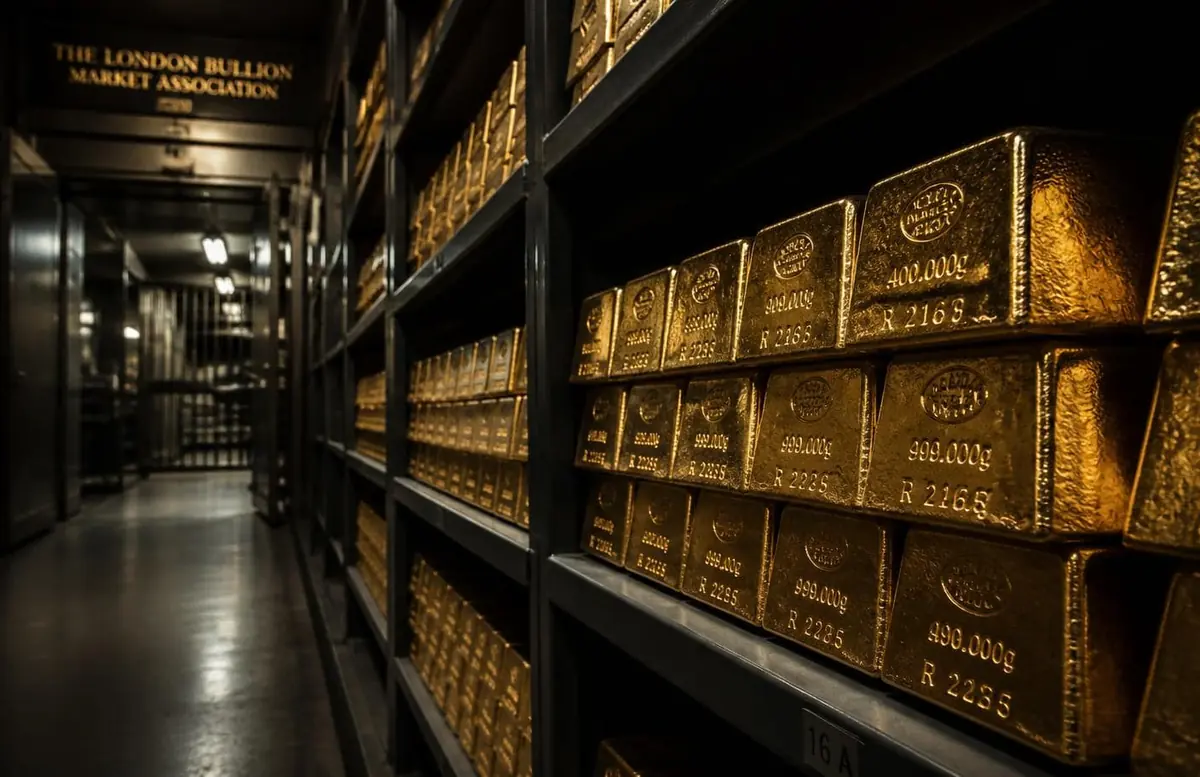
There is no single gold price. There is a London settlement number, a New York futures curve, a Shanghai premium and a jeweller's counter in Dubai — and the distance between them is where the market lives.
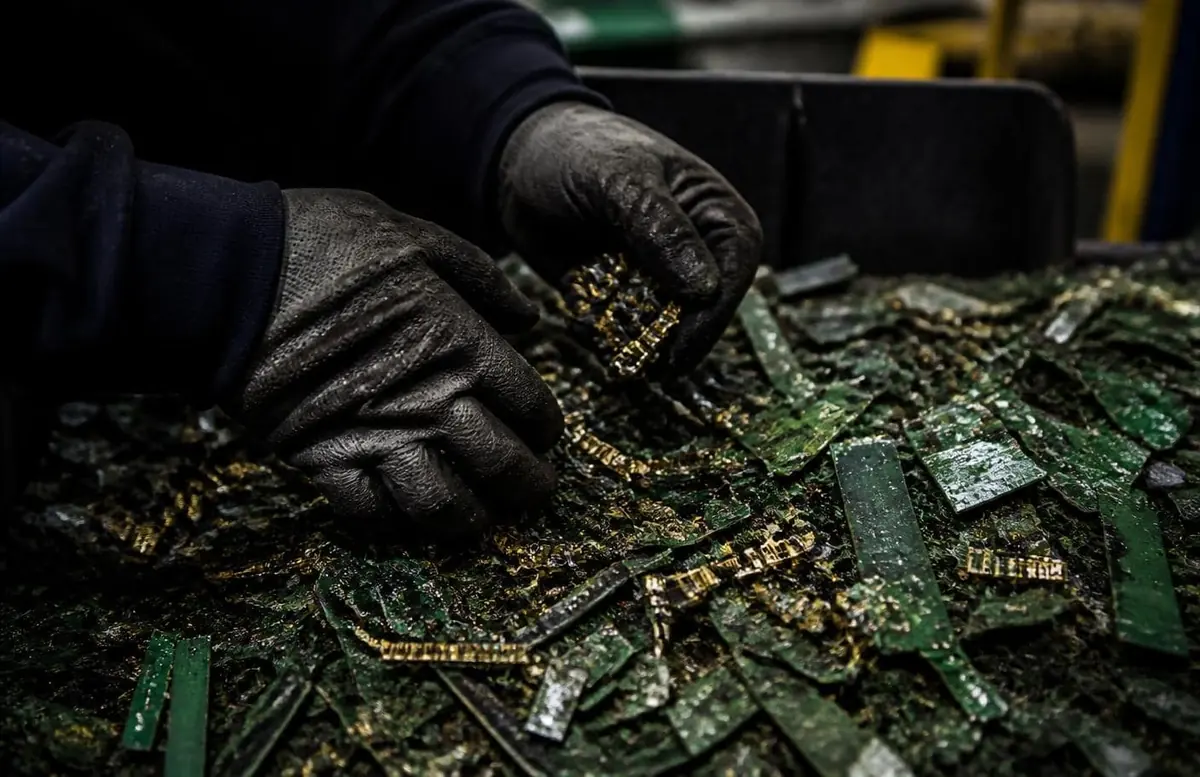
A tonne of good underground ore holds a few grams of gold. A tonne of discarded circuit boards can hold two hundred. So why is most of it still going into landfill?