Skip to content

The Industry Desk

Refining, assay and the physical chain

What happens between a doré bar and a Good Delivery brick — chlorination, electrolysis, assay tolerances and chain-of-custody.

Refining is where gold stops being geology and becomes a financial instrument. A bar is only worth spot price because a chain of assays, stamps and audits says the metal inside is what the stamp claims.

This desk reports from inside that chain: the furnaces, the electrolytic cells, the assay labs, and the accreditation regimes that decide whose metal the market will accept.

Filter the archive by Industry
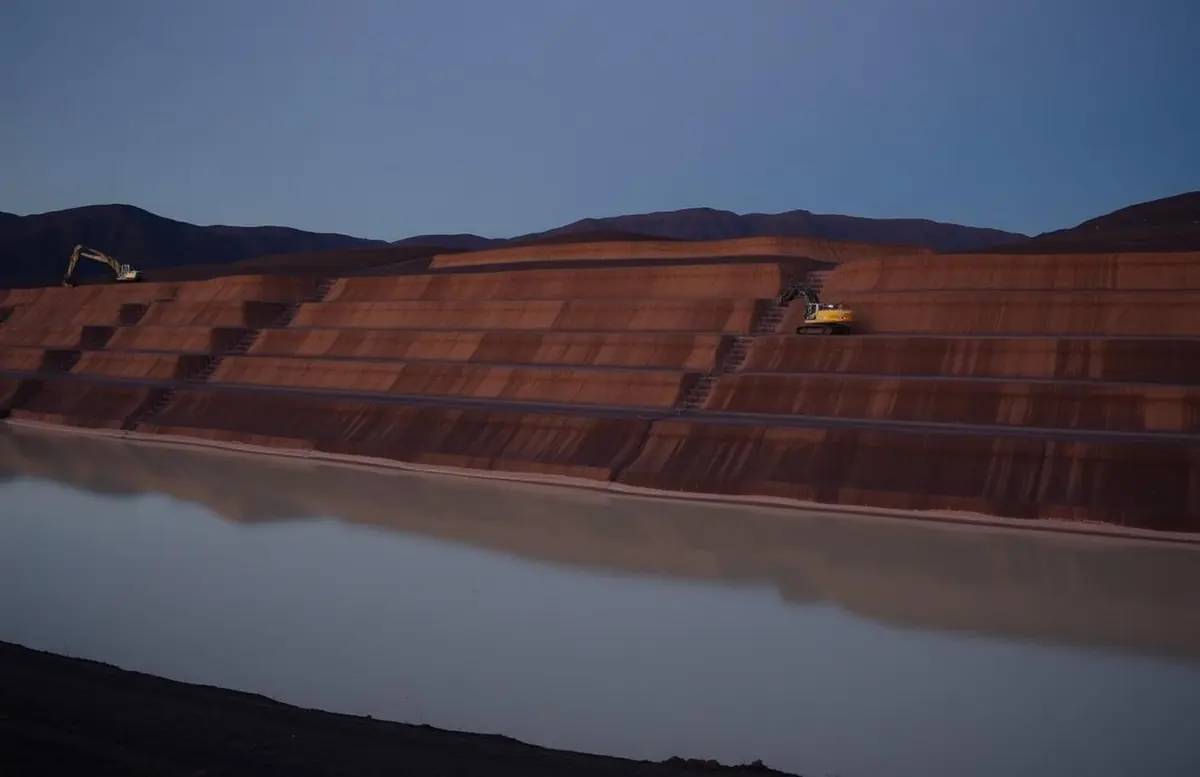
Terraced tailings storage embankment beside a still pale pond at dusk, with dark hills behind and a single excavator for scale

Environment

After the Cyanide

Every ounce of mined gold leaves behind roughly a tonne of processed rock and the water that carried it. What happens to that material after the last shift is the part of the industry with the longest timeline and the least coverage.

7 August 2026 · 17 min read

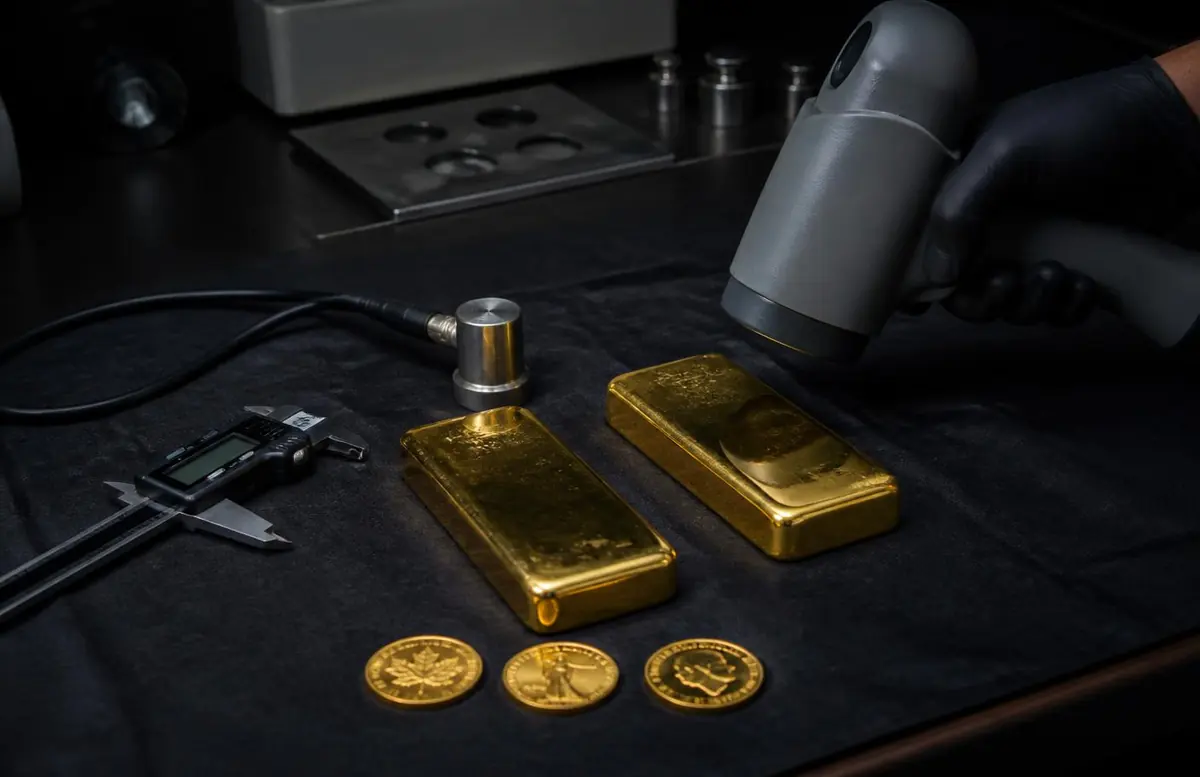
Authentication bench with digital calipers, an ultrasonic probe and a handheld analyser beside gold bars and coins

Verification

How Fake Gold Is Detected

Counterfeiting gold is not about making something that looks right. It is about defeating a specific test, and the industry's defences are an escalating conversation between forgers and instruments.

7 August 2026 · 15 min read

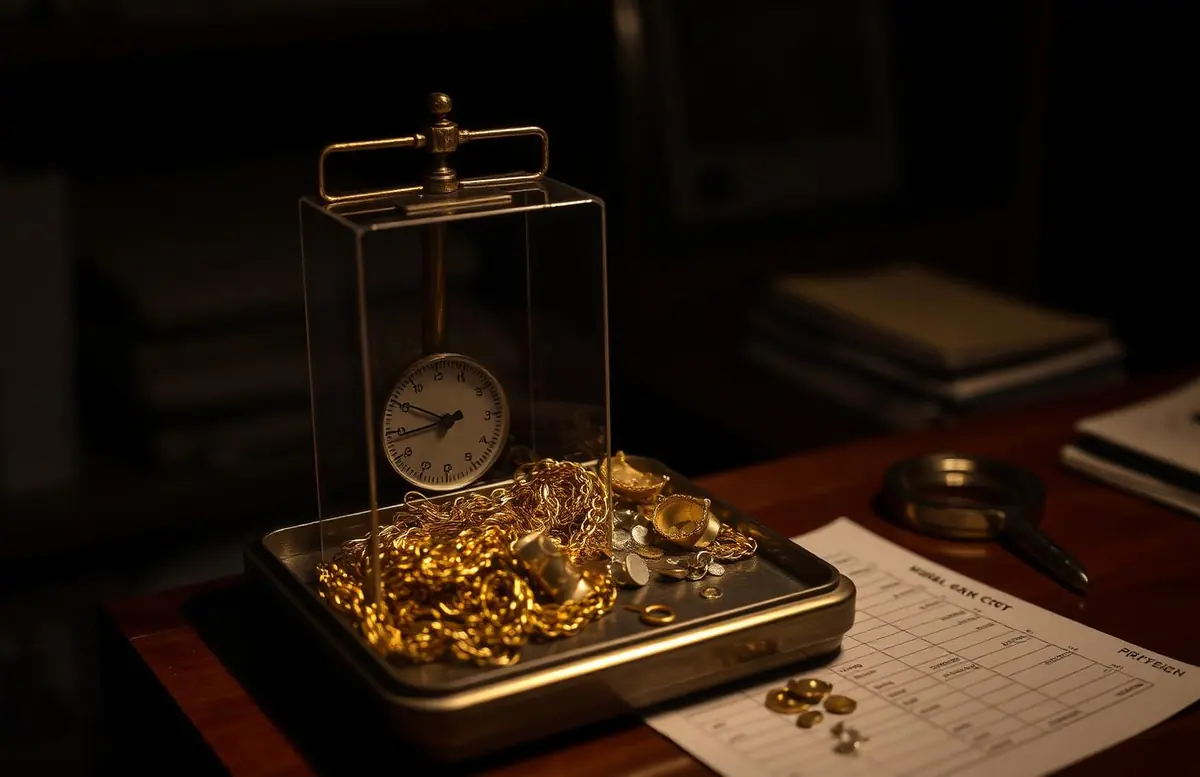
Precision balance holding a tangle of broken gold chains and single earrings in a weighing tray, with a loupe and paper docket on a dark desk

Recycling

The Scrap Trade

Roughly a quarter of the world's annual gold supply has been gold before. It arrives as broken chains, single earrings and dental crowns, and it moves through a chain of intermediaries that most sellers never see past the first counter.

6 August 2026 · 15 min read

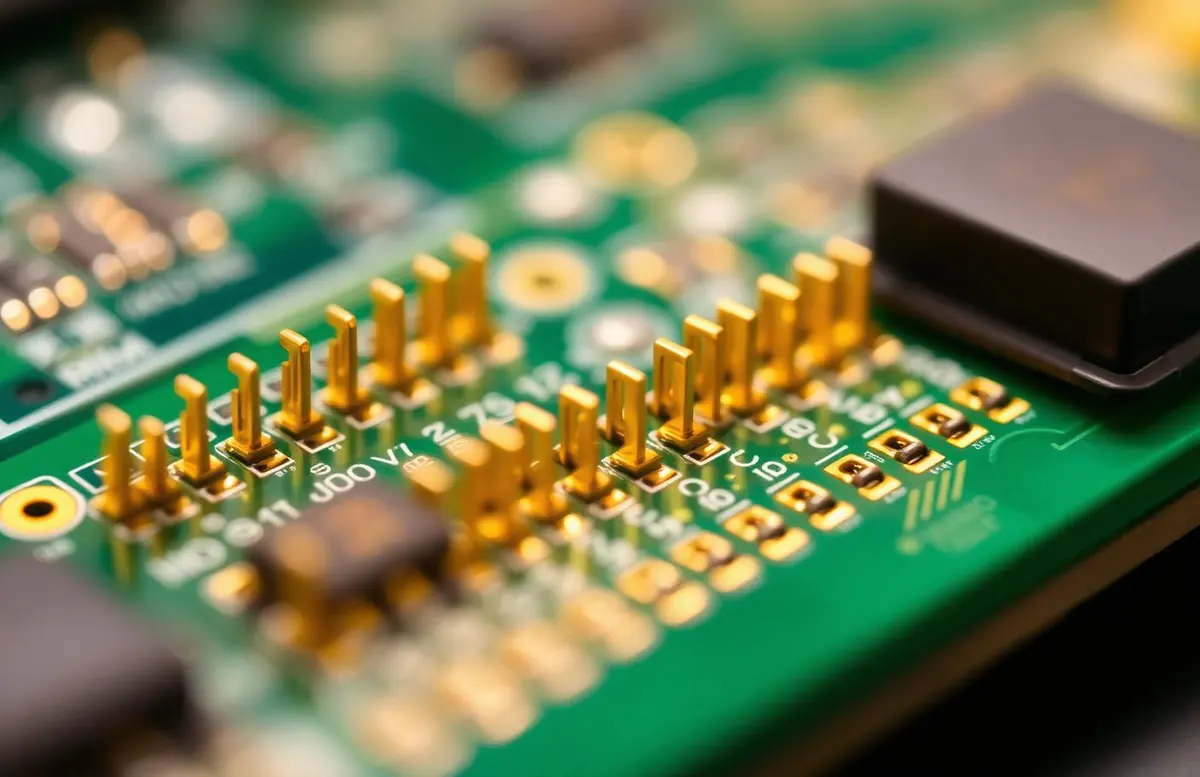
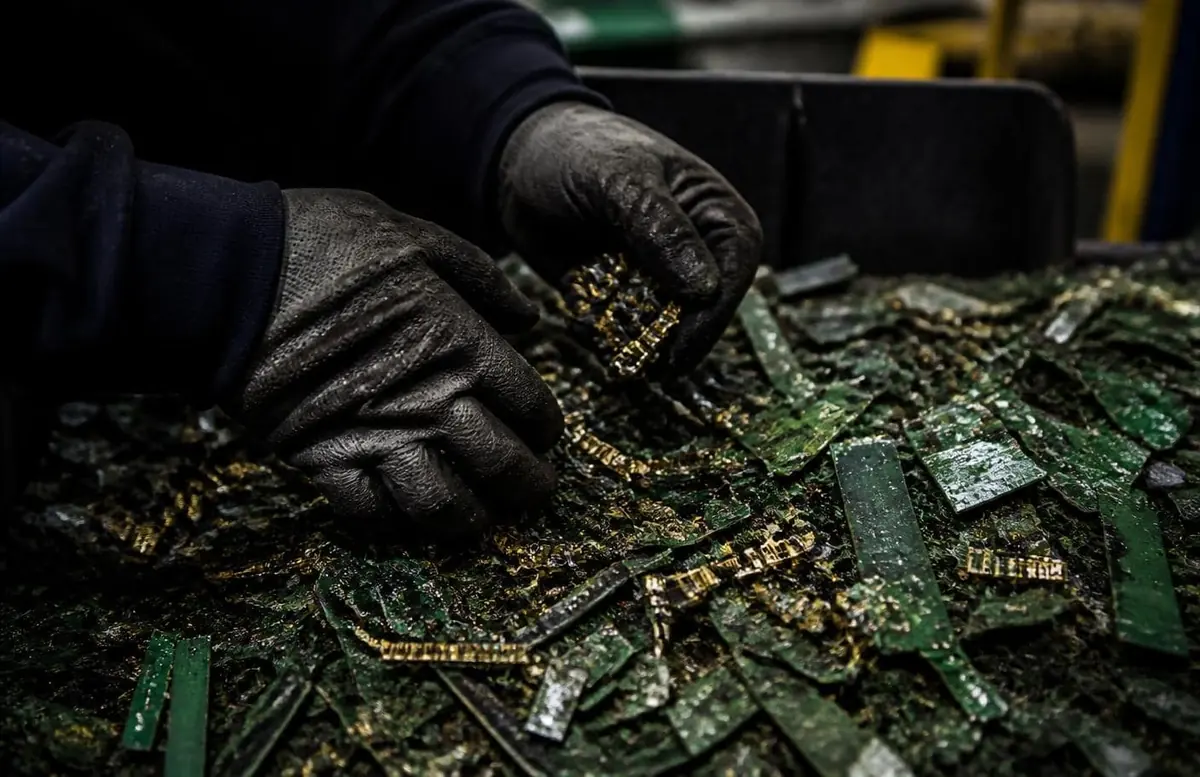
Macro photograph of gold-plated connector pins and contacts on a green circuit board

Industrial Demand

The Gold Inside Your Phone

Industrial demand is the quietest third of the gold market: a few tenths of a gram per handset, multiplied by billions of devices, chosen not for prestige but because nothing else conducts as reliably for as long.

4 August 2026 · 15 min read

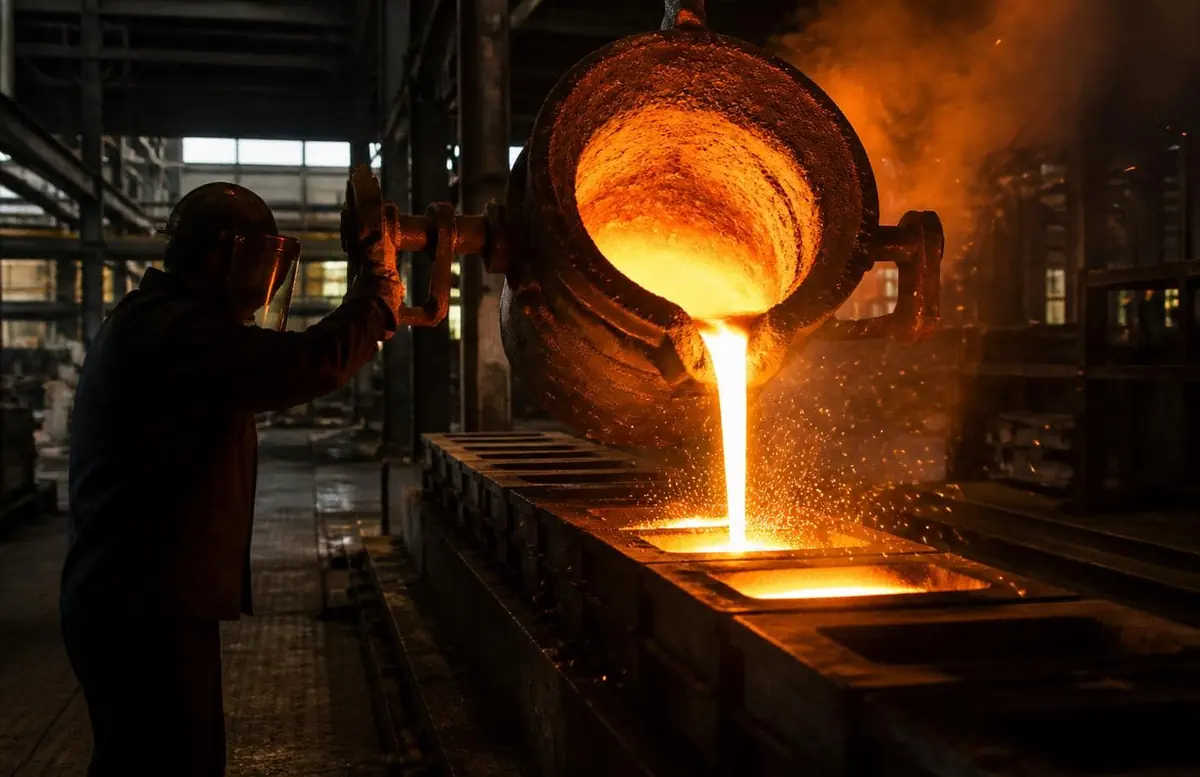
Molten gold poured from a crucible into ingot moulds inside a refinery

Industry Report

Nine Nines: Inside a Modern Gold Refinery

A doré bar arrives at 85 per cent purity and leaves at 99.99. Between those two numbers sit chlorine gas, aqua regia, an electrolytic cell and a chain of custody that is now as valuable as the metal itself.

2 July 2026 · 12 min read

Answers

Questions readers ask this desk

How pure is investment-grade gold?
London Good Delivery large bars must assay at minimum 995 parts per thousand fine. Most modern kilobars and retail investment products are refined to 999.9 — four nines — using Wohlwill electrolysis.
What is the difference between the Miller and Wohlwill processes?
Miller chlorination bubbles chlorine gas through molten doré and removes base metals quickly to roughly 995 fineness. Wohlwill electrolysis then dissolves and re-plates the gold to reach 999.9, at the cost of a much larger tied-up metal inventory.
Why does chain-of-custody matter for a bar?
Because fungibility is a paperwork achievement. Without documented sourcing and an accredited refiner stamp, metal trades at a discount or not at all in the wholesale market.

Other desks