Skip to content

The Craft Desk

Goldsmithing and the working of the metal

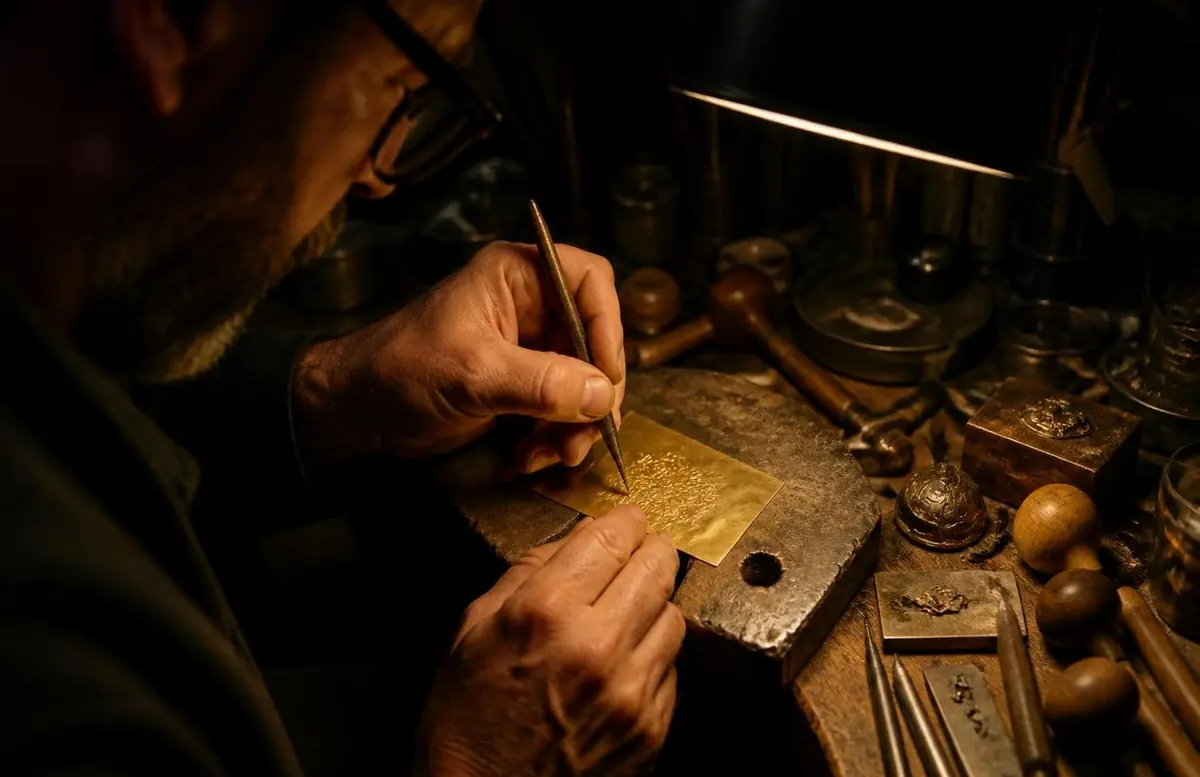
Alloys, karatage, hand-raising, casting and the workshop economics of making objects that outlive their makers.

Roughly half of annual gold demand ends up as an object someone wears. The craft desk treats that as manufacturing journalism, not lifestyle copy.

We report from benches and casting rooms: what alloys do to colour and hardness, why annealing schedules matter, and how a workshop survives when its raw material costs more than its labour.

Filter the archive by Craft
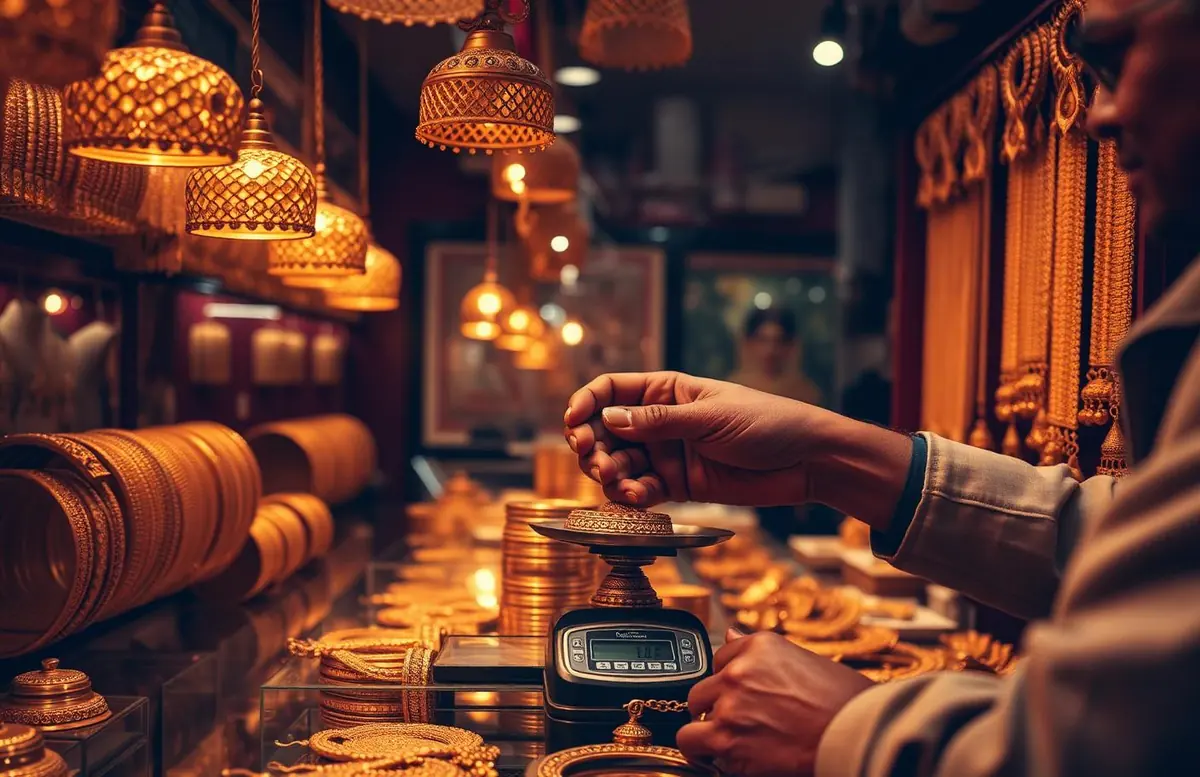
Warmly lit jewellery shop counter stacked with 22-karat bangles as a piece is weighed on a small scale

Physical Demand

The Wedding-Season Bid: How Jewellery Demand Sets the Floor

Half the world's gold is worn, not stored. In India and China that distinction barely exists — and the buying behaviour it produces is the most reliably contrarian force in the entire market.

3 August 2026 · 16 min read

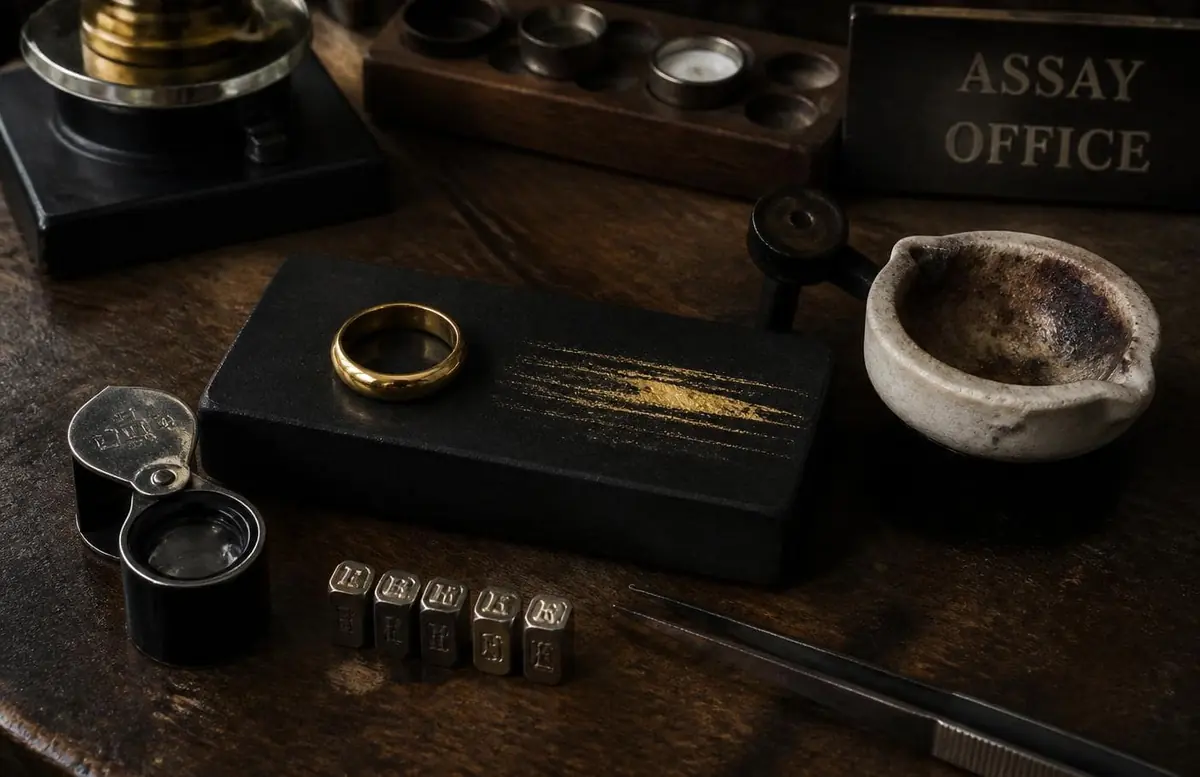
Assay office bench with touchstone, loupe, hallmark punches and a fire-assay cupel

Standards

Hallmarks and Assay: How Anyone Proves Gold Is Gold

A hallmark is one of the oldest consumer protection technologies in continuous use. It is also, on close inspection, a small masterpiece of institutional design — and it is being quietly eroded.

22 July 2026 · 12 min read

Answers

Questions readers ask this desk

What does karat actually measure?
Parts of gold in twenty-four. 18-karat is 750 parts per thousand fine gold; 14-karat is 585. The remainder is alloy — copper, silver, palladium, zinc — which sets colour, hardness and working behaviour.
Why is pure gold rarely used in jewellery?
24-karat gold is too soft to hold a setting or an edge. Alloying trades a little of gold's inertness for the mechanical strength an object needs to survive daily wear.
What is a hallmark?
A legally controlled stamp attesting assayed fineness, applied by an independent assay office. It is the consumer-facing end of the same assurance chain that governs Good Delivery bars.

Other desks