Skip to content

The Science Desk

The physics and chemistry of element 79

Where gold is manufactured, why it behaves as it does, and how the laboratory answers questions the market only argues about.

Gold is the only commodity whose origin story runs through astrophysics. This desk covers the parts of the subject that are settled by measurement rather than by opinion: nucleosynthesis, planetary differentiation, ore genesis and analytical chemistry.

The reporting is written for readers without a physics background, and every claim is traceable to published work rather than to the folklore that surrounds the metal.

Filter the archive by Science
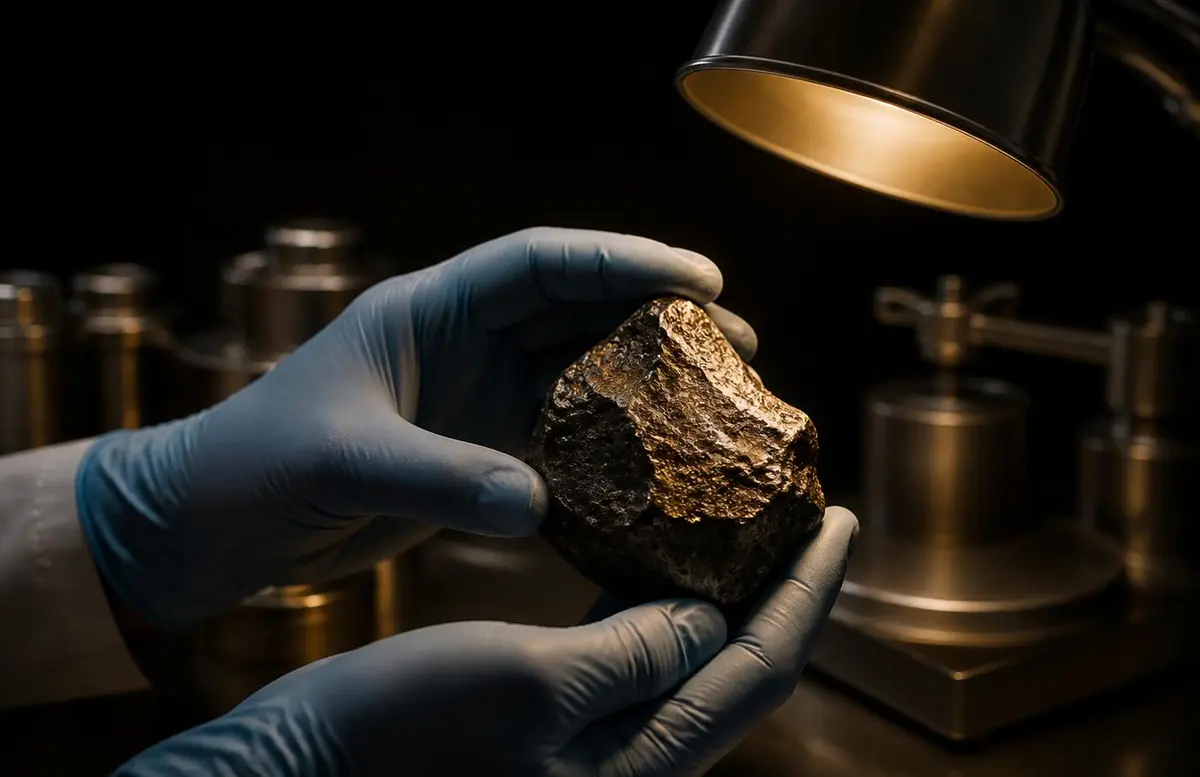
Gloved hands holding a dark iron meteorite fragment under a single warm laboratory lamp

Origins

Where Gold Actually Comes From

Every gram of gold on Earth was manufactured in an astrophysical catastrophe, arrived here after the planet had already formed, and was then concentrated by hot water. Three separate accidents, none of them likely, all of them necessary.

10 August 2026 · 18 min read

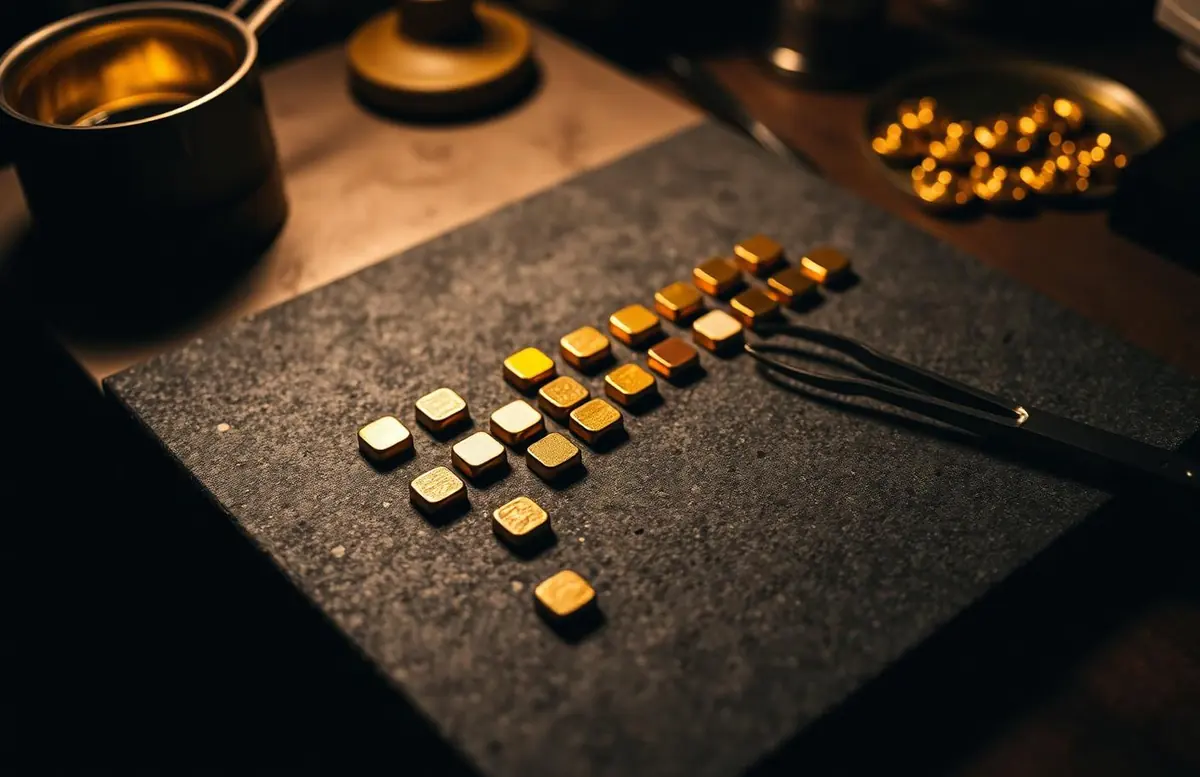
Rows of small gold alloy sample ingots in rose, yellow and pale white tones on a grey stone slab beside a crucible and tweezers

Materials

The Metallurgy of Karat

Pure gold is too soft to hold a stone, too soft to hold an edge, and the wrong colour for half the world's taste. Almost everything you own that is gold is a designed alloy — and the design is where the engineering lives.

9 August 2026 · 16 min read

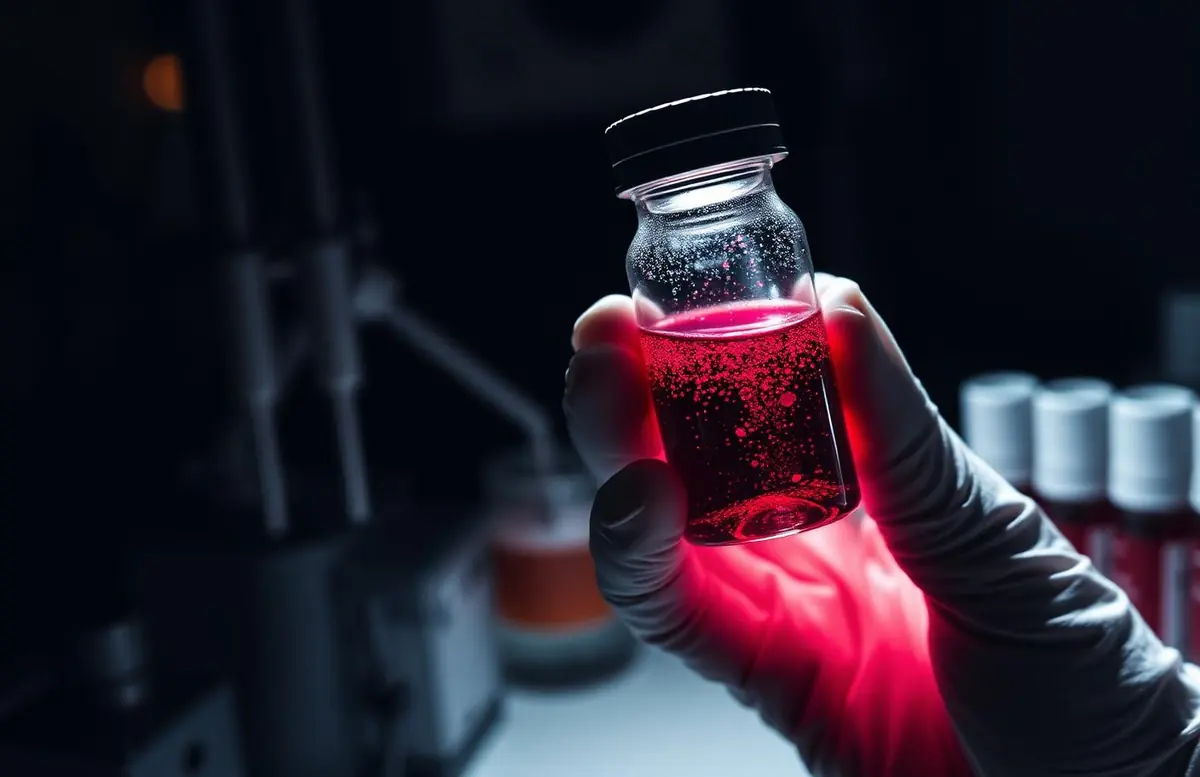
Gloved hand holding a glass vial of deep ruby-red colloidal gold suspension in a dark laboratory

Nanoscience

The Metal That Went Medical

Divide gold finely enough and it stops being gold-coloured, stops being inert in the way you expect, and starts doing work in places no bullion bar could reach — including the test strip that told you whether you had a virus.

8 August 2026 · 15 min read

Answers

Questions readers ask this desk

How is gold created?
By rapid neutron capture — the r-process — in extreme astrophysical environments. The neutron star merger observed in 2017 provided the first direct observational evidence of heavy-element synthesis on the scale required to explain the galaxy's gold.
Why is gold so rare in the Earth's crust?
Because it is siderophile and followed the iron into the core during planetary differentiation. The gold accessible to mining arrived later, in the late veneer of impacts, and sits in average crust at about one part per billion.
Why does gold not tarnish?
Relativistic effects on its outer electrons make gold exceptionally unreactive, and give it its colour. It resists oxygen, water and most single acids, dissolving readily only in mixtures such as aqua regia or in cyanide solution with oxygen present.

Other desks