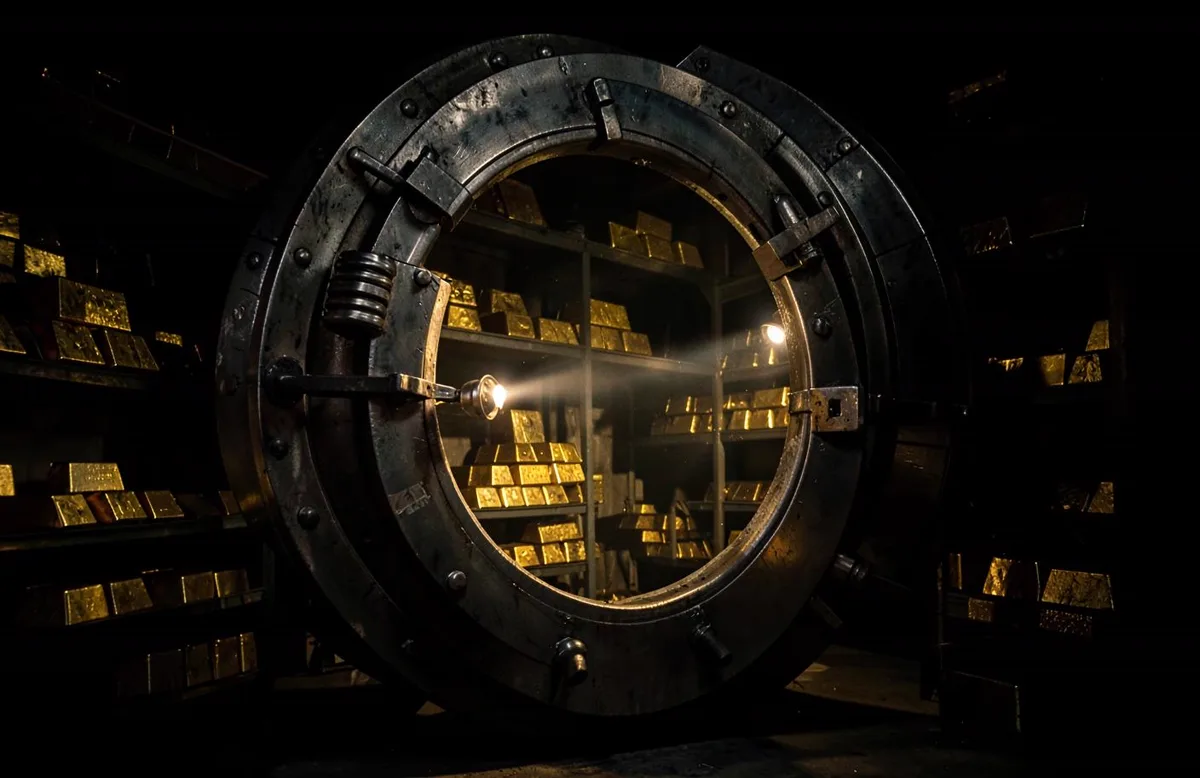
Governments report holding roughly 36,000 tonnes of gold — a figure quoted everywhere and verified almost nowhere. Between the published number and the physical bar sits a chain of certificates, custodians and fifty-year-old count sheets. This is an attempt to walk that chain honestly.
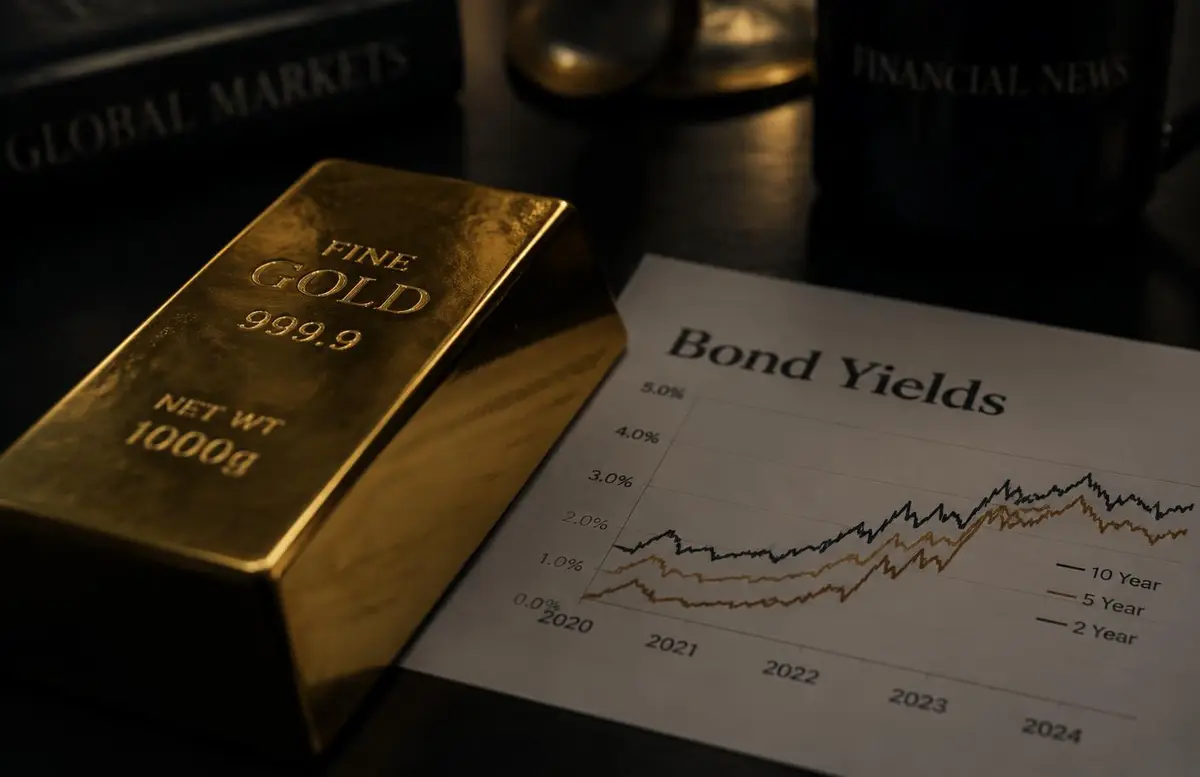
For two decades the gold price could be read off an inflation-linked bond screen. Then, somewhere after 2022, the relationship stopped behaving — and the argument about why has become the most consequential debate in the metal's market.
Somewhere between a mine's doré bar and a Good Delivery brick sits a chain of chlorination furnaces, electrolytic cells, assay labs and accreditation committees that decides which gold the world's markets will accept without question — and which gold gets quietly refused.
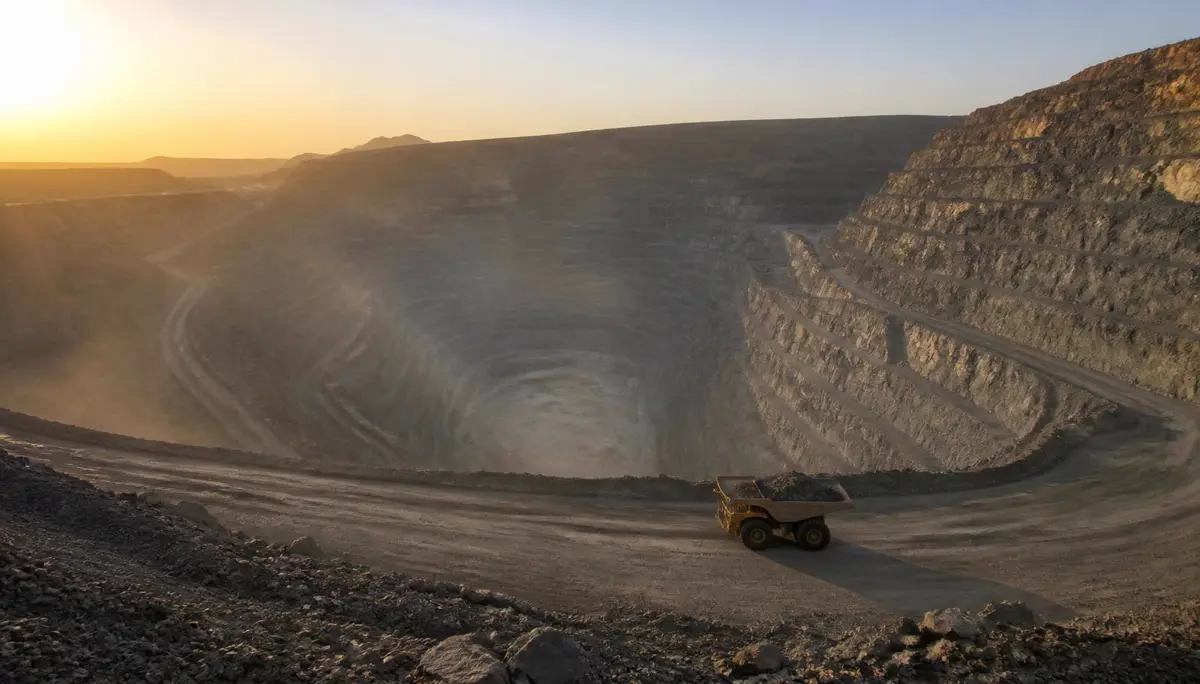
What does it actually cost to pull an ounce of gold out of the ground? The honest answer runs through grade decline, energy and water bills, permitting delays and the closure liabilities nobody prices until the mine is already exhausted.