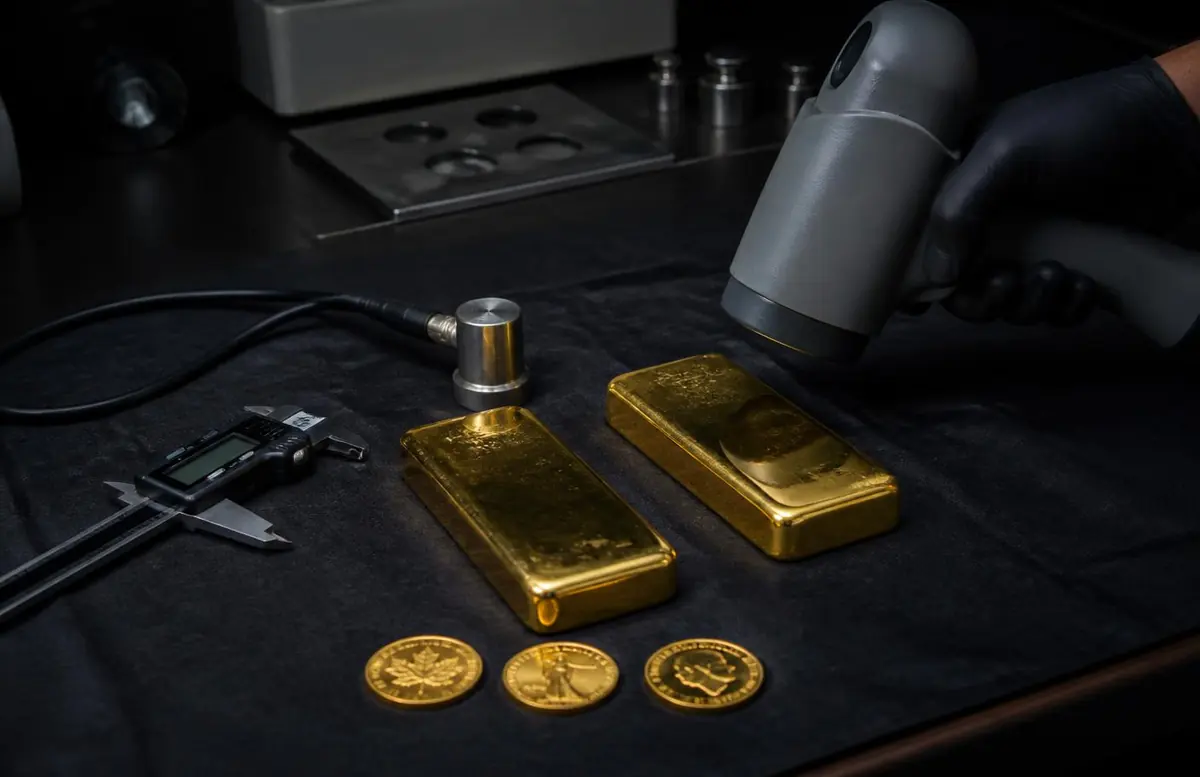
Counterfeiting gold is not about making something that looks right. It is about defeating a specific test, and the industry's defences are an escalating conversation between forgers and instruments.
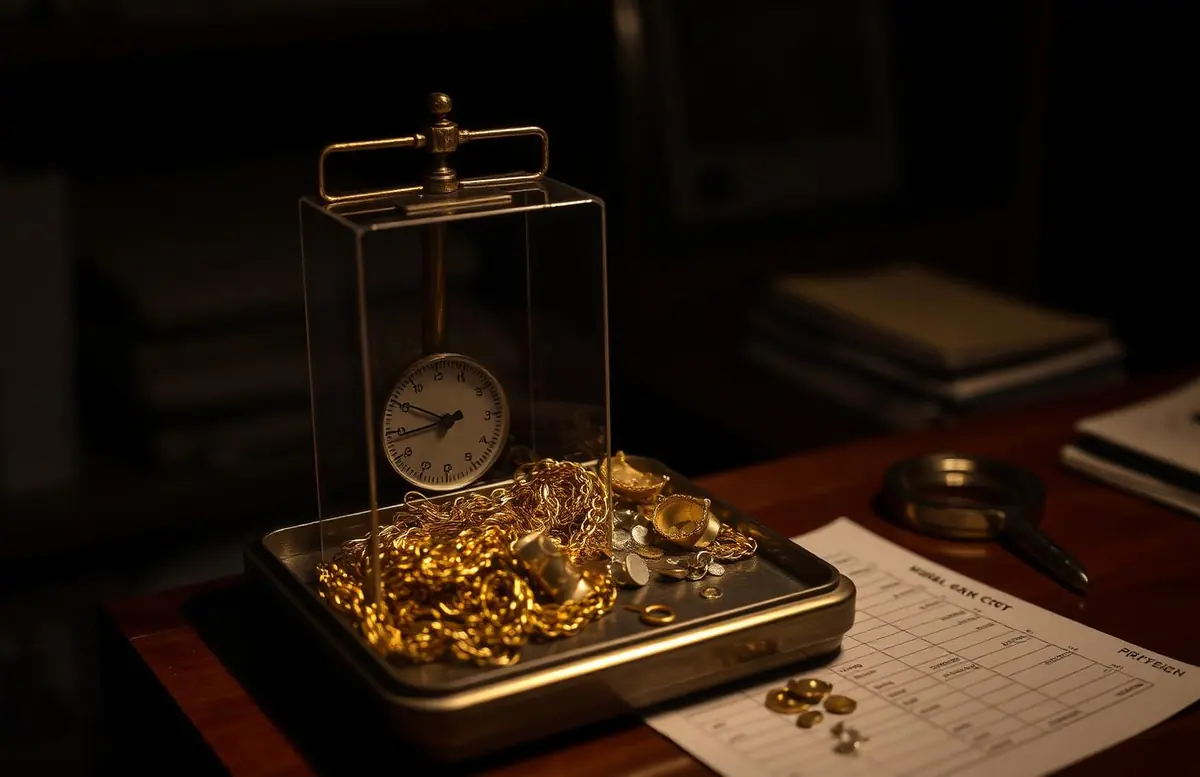
Roughly a quarter of the world's annual gold supply has been gold before. It arrives as broken chains, single earrings and dental crowns, and it moves through a chain of intermediaries that most sellers never see past the first counter.
For three decades official institutions were net sellers of bullion, and the policy consensus treated the metal as a museum piece. Then, quietly, the world's reserve managers reversed. The reasons are less about inflation than about the plumbing of settlement.
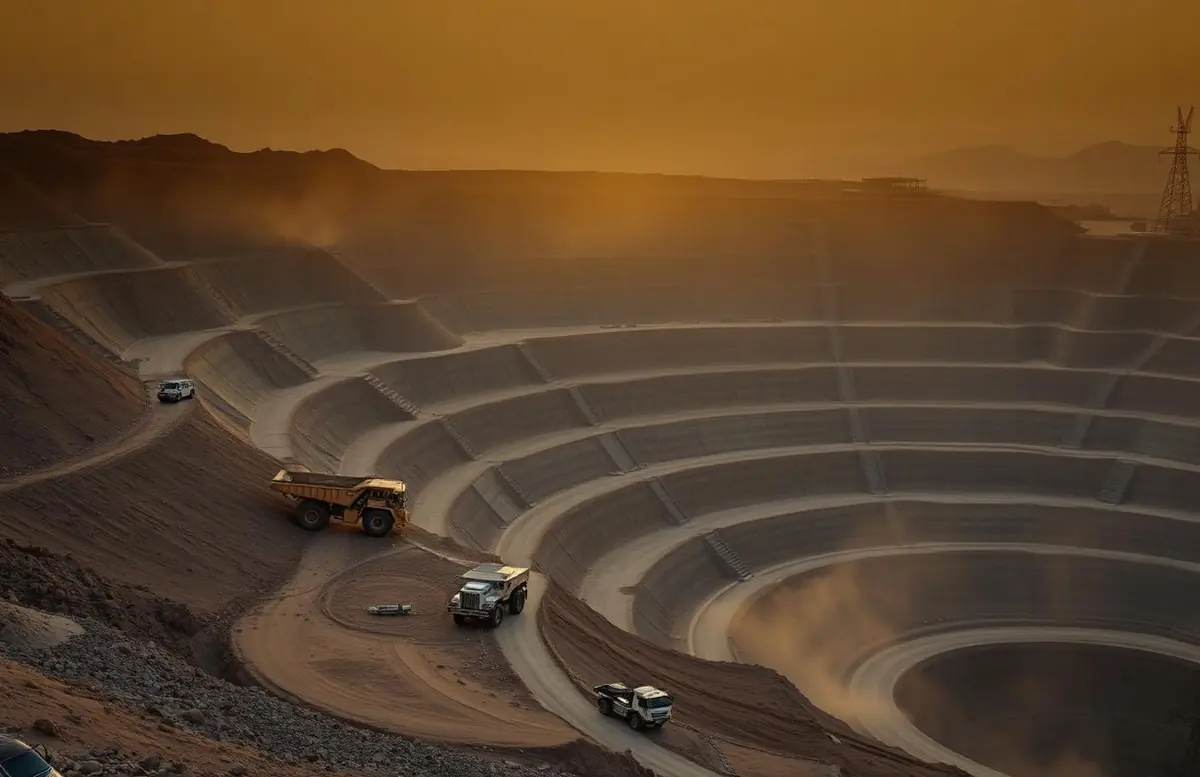
A gold mine is not a hole with gold in it. It is a spreadsheet with a hole attached — and the single number that decides which rock is ore and which rock is waste moves every time the price does.