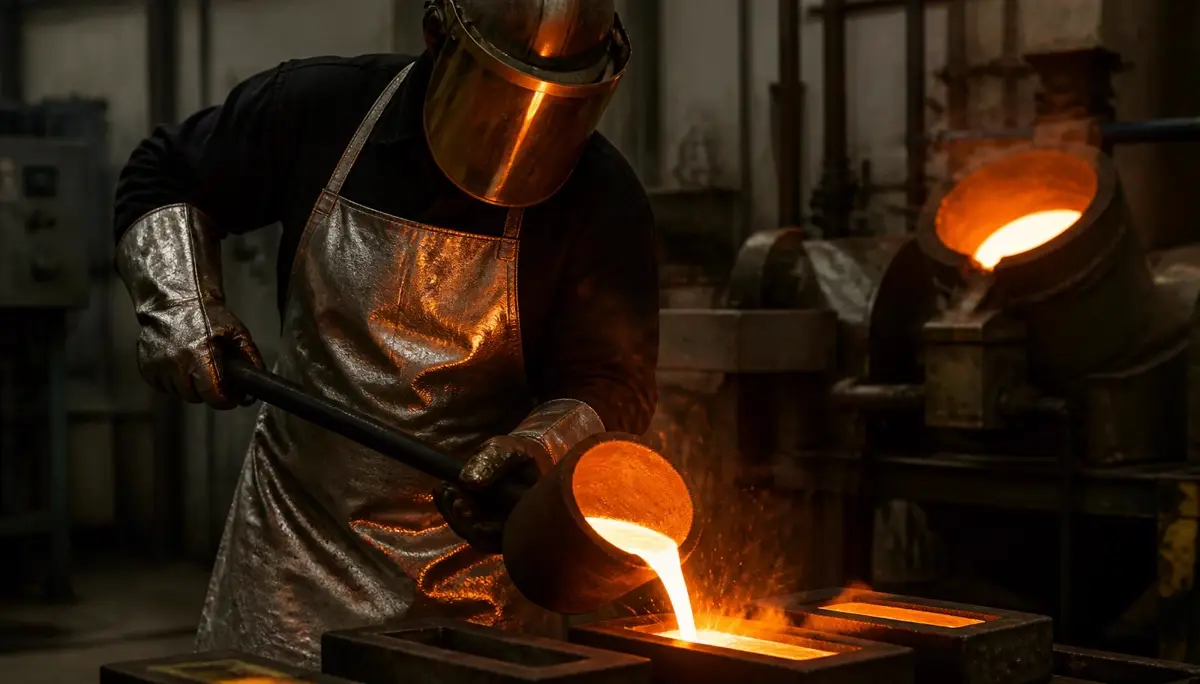
Somewhere between a mine's doré bar and a Good Delivery brick sits a chain of chlorination furnaces, electrolytic cells, assay labs and accreditation committees that decides which gold the world's markets will accept without question — and which gold gets quietly refused.
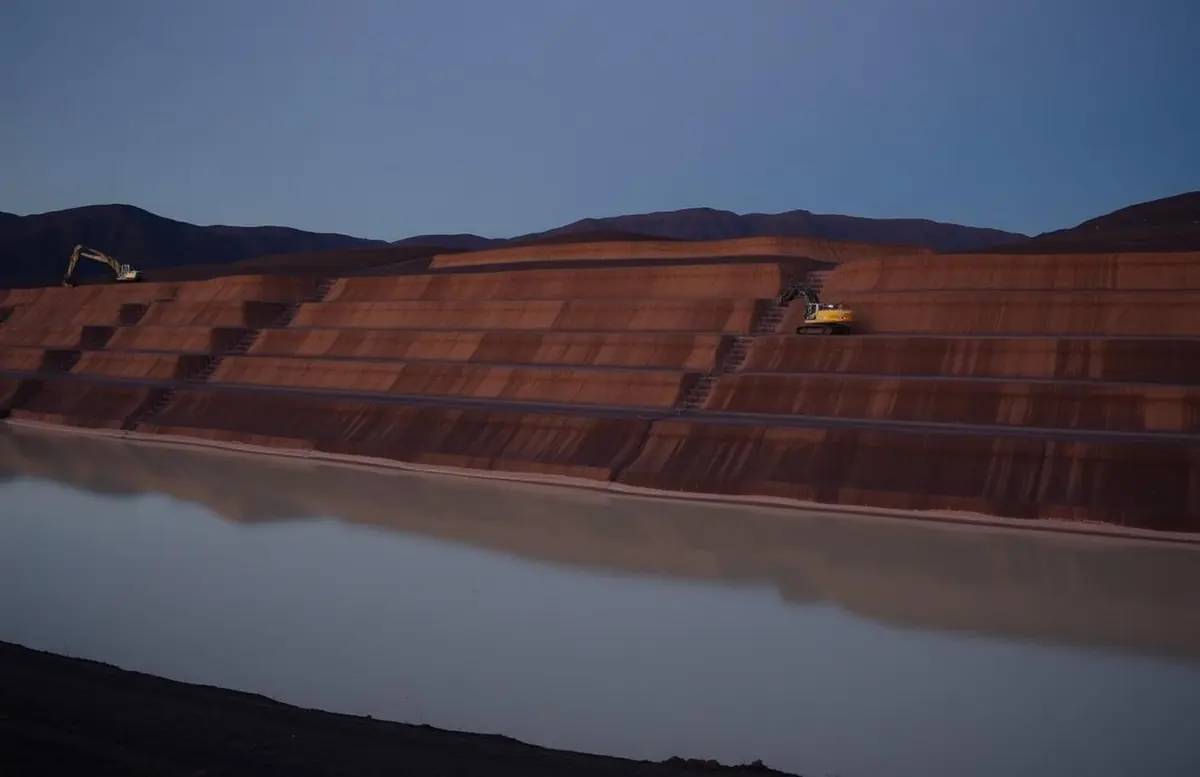
Every ounce of mined gold leaves behind roughly a tonne of processed rock and the water that carried it. What happens to that material after the last shift is the part of the industry with the longest timeline and the least coverage.
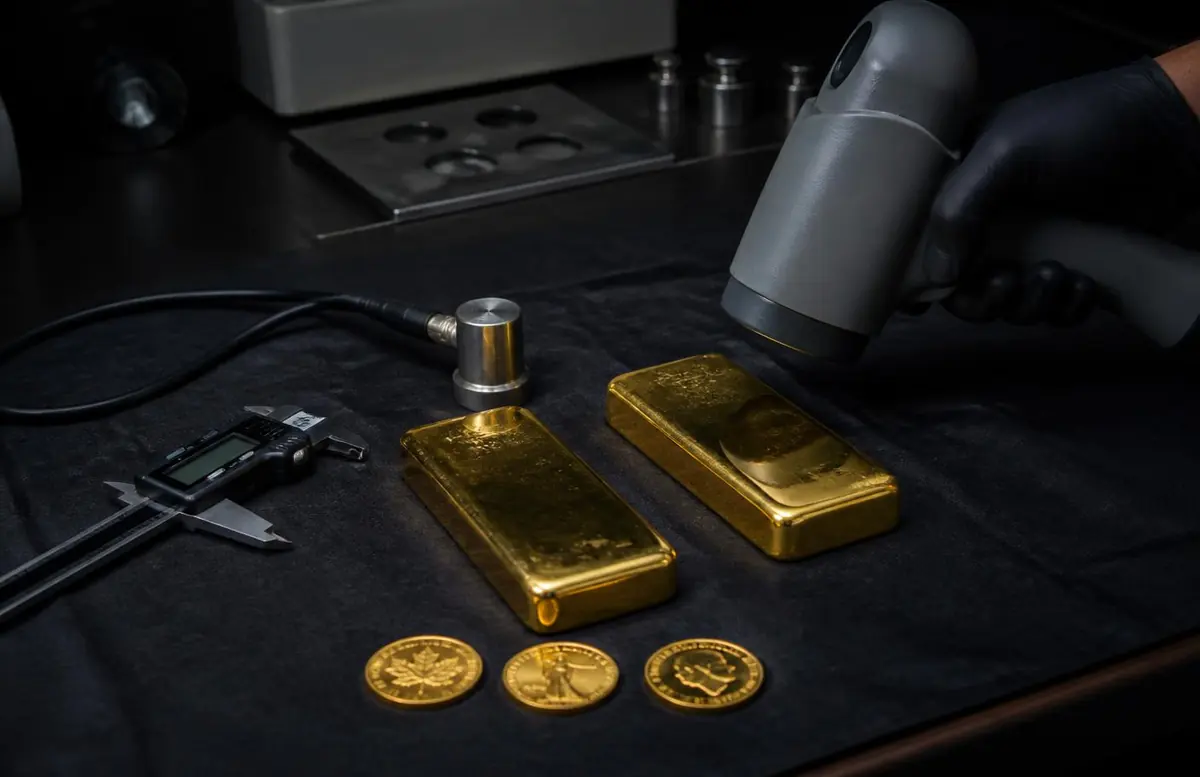
Counterfeiting gold is not about making something that looks right. It is about defeating a specific test, and the industry's defences are an escalating conversation between forgers and instruments.
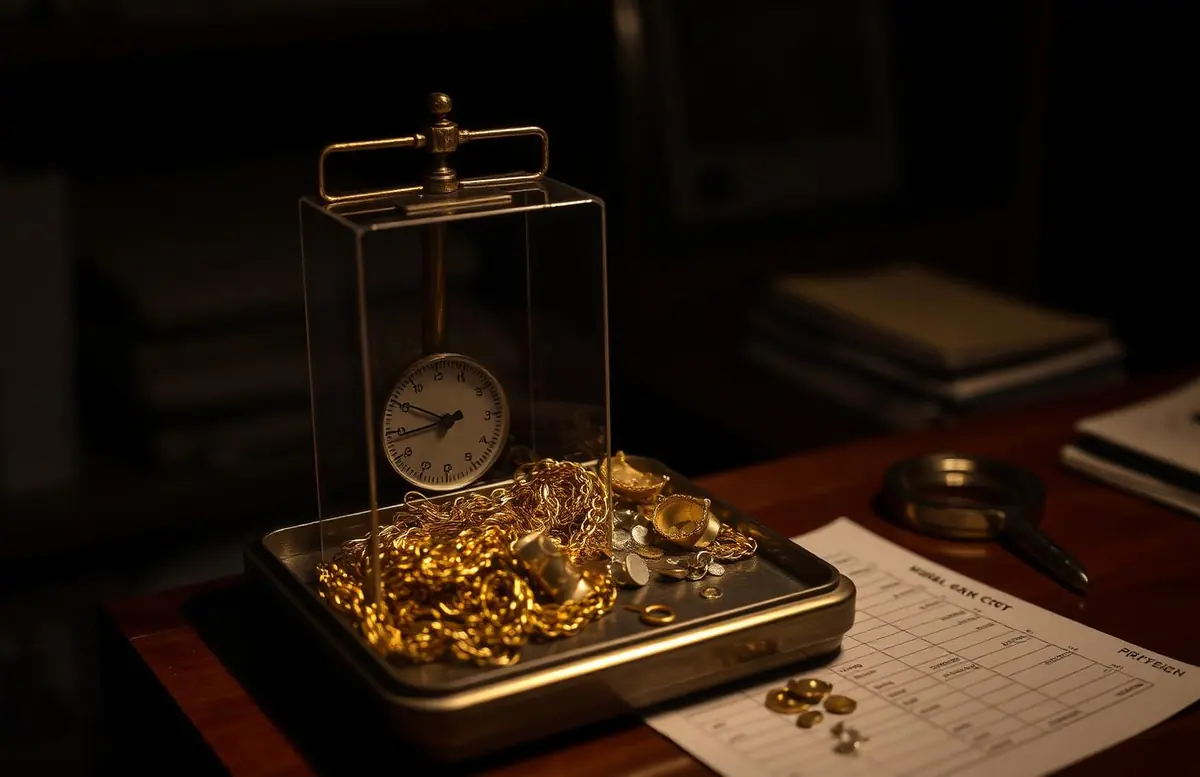
Roughly a quarter of the world's annual gold supply has been gold before. It arrives as broken chains, single earrings and dental crowns, and it moves through a chain of intermediaries that most sellers never see past the first counter.