Skip to content

The Markets Desk

Reserves, repatriation and the price of gold

Central bank buying, vault geography, ETF flows and the plumbing under the spot price — covered without forecasts.

The gold price is a claim about trust, liquidity and location. Our markets desk covers the plumbing: who holds the metal, where it sits, and what happens when a state decides it should sit somewhere else.

We publish evidence and mechanism, not price targets. Nothing on this desk is investment advice.

Filter the archive by Markets →
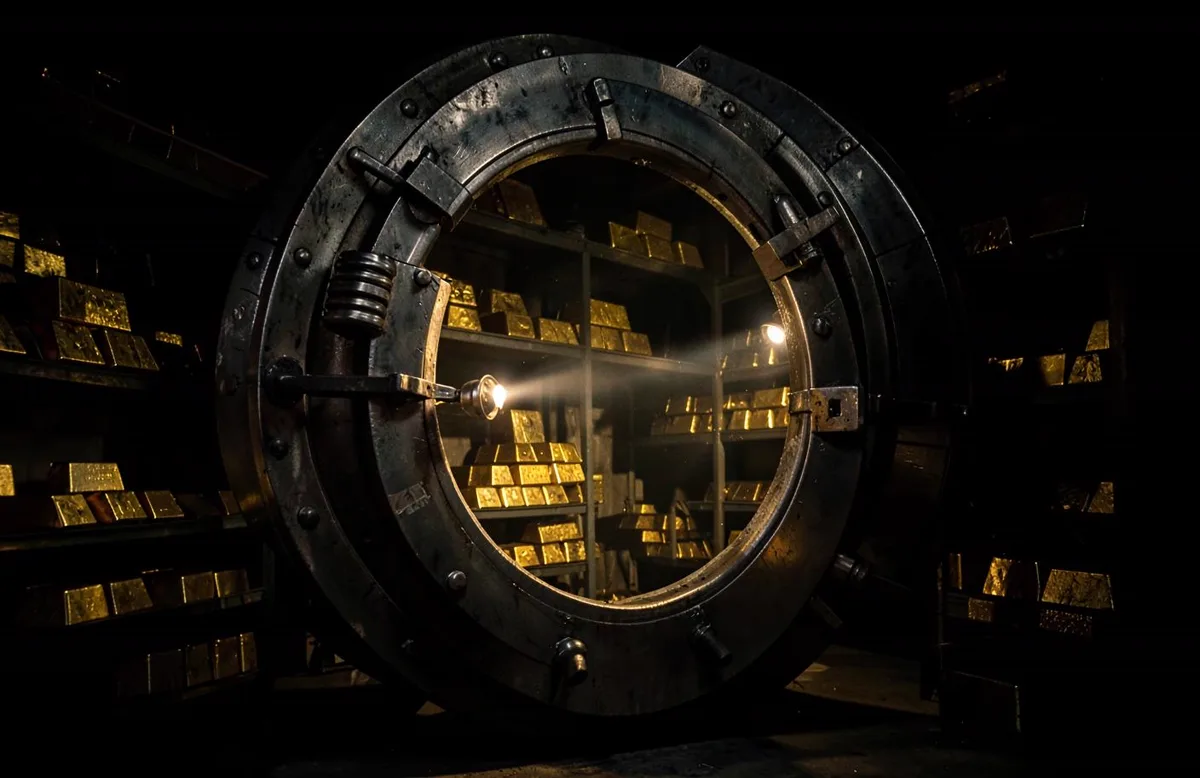
A massive circular steel vault door ajar, gold bars stacked on shelves inside, lit by a single inspector's lamp beam in the darkness

Official Reserves

The Last Audit: What We Actually Know About the World's Official Gold

Governments report holding roughly 36,000 tonnes of gold — a figure quoted everywhere and verified almost nowhere. Between the published number and the physical bar sits a chain of certificates, custodians and fifty-year-old count sheets. This is an attempt to walk that chain honestly.

11 September 2026 · 22 min read
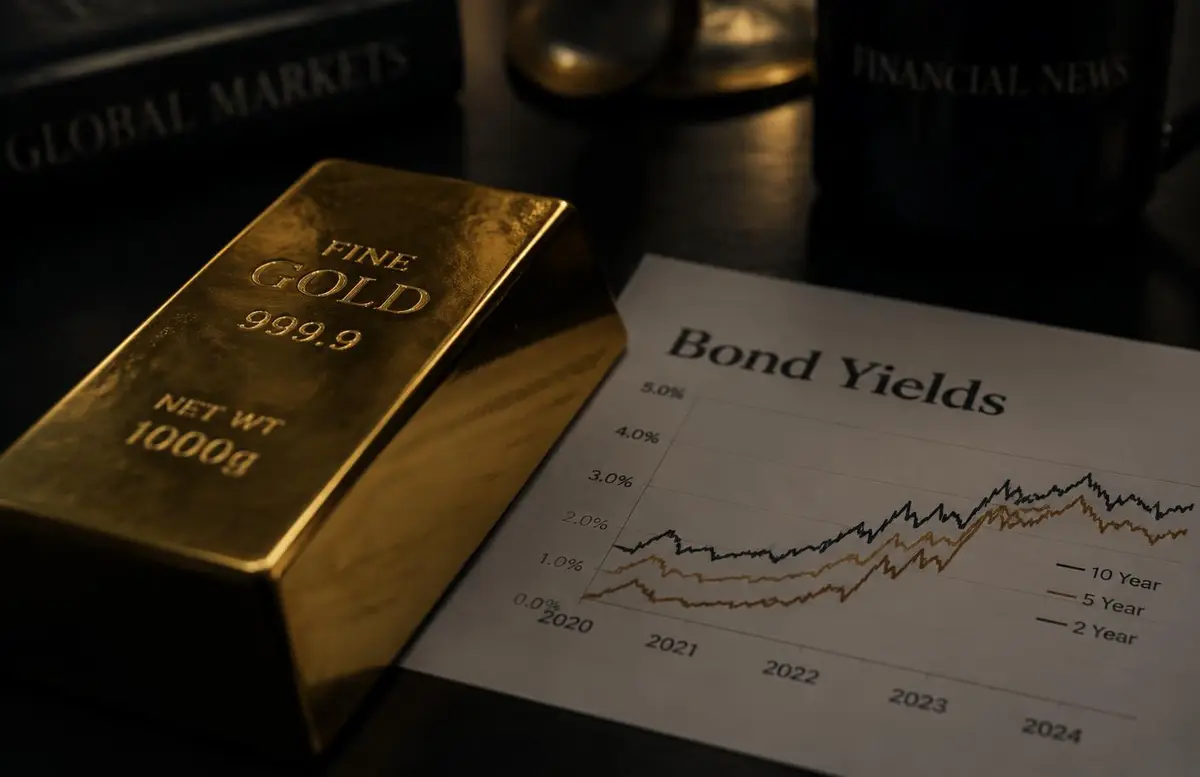
A one-kilogram fine gold bar resting beside a printed bond yield chart on a dark desk in low light

Market Structure

The Real-Rate Trade: Why Gold Moves When Bond Yields Do

For two decades the gold price could be read off an inflation-linked bond screen. Then, somewhere after 2022, the relationship stopped behaving — and the argument about why has become the most consequential debate in the metal's market.

8 September 2026 · 25 min read

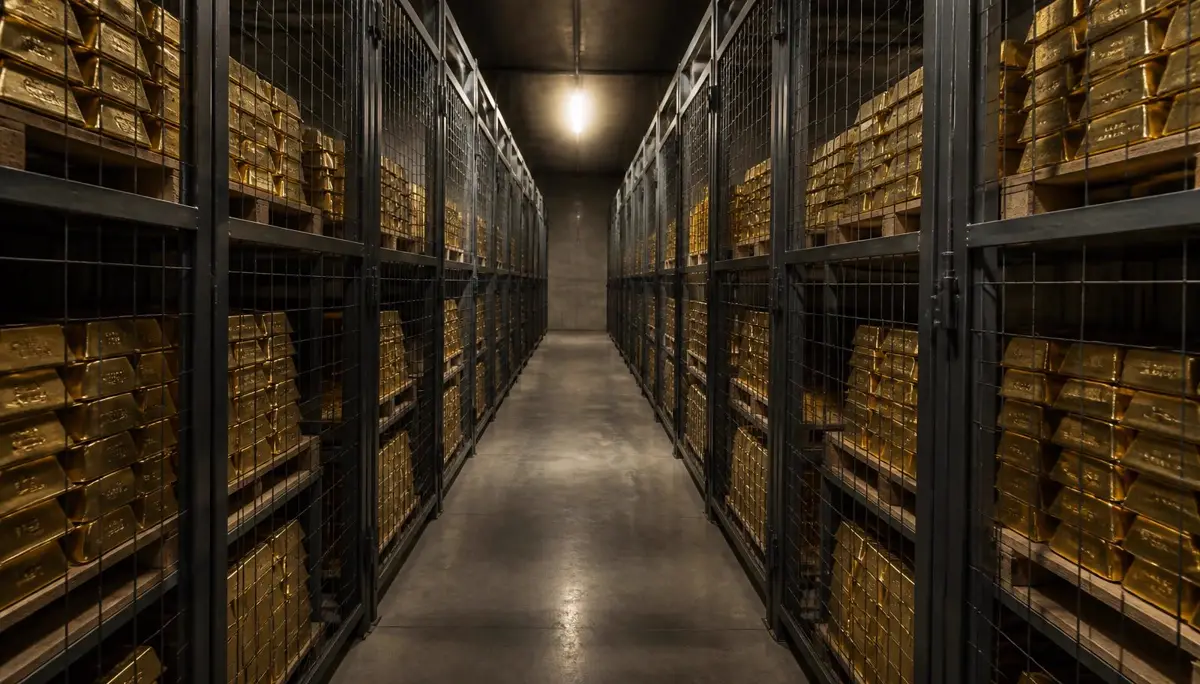
Rows of gold bars stacked on wooden pallets inside a dimly lit vault chamber with a caged security gate

Investigation

The Vault Beneath the City

Beneath the Bank of England and beneath lower Manhattan sit two of the largest concentrations of monetary gold on earth, moved between anonymous compartments by a handful of porters who never touch the metal with bare hands. This is how sovereign gold is actually stored, audited and, occasionally, brought home.

18 August 2026 · 22 min read

A single fine gold bar resting on printed vault statements in front of dark trading screens showing a gold price chart

Market Structure

Paper Gold: What You Own When You Do Not Own Bars

Most of the world's gold exposure is a contract, not a metal. Futures, unallocated accounts and exchange-traded funds each promise gold in a different way — and the differences only become visible when the market stops working.

17 August 2026 · 23 min read

Security crew loading sealed containers into an armoured truck at night outside a vault entrance

Custody and Freight

Moving Bullion: The Logistics Nobody Prices

Between the vault and the buyer sits an industry of armoured vehicles, sealed cargo, bonded warehouses and insurance clauses. It rarely makes news, and it is the reason a spot price in London can diverge from a bar in New York.

8 August 2026 · 15 min read

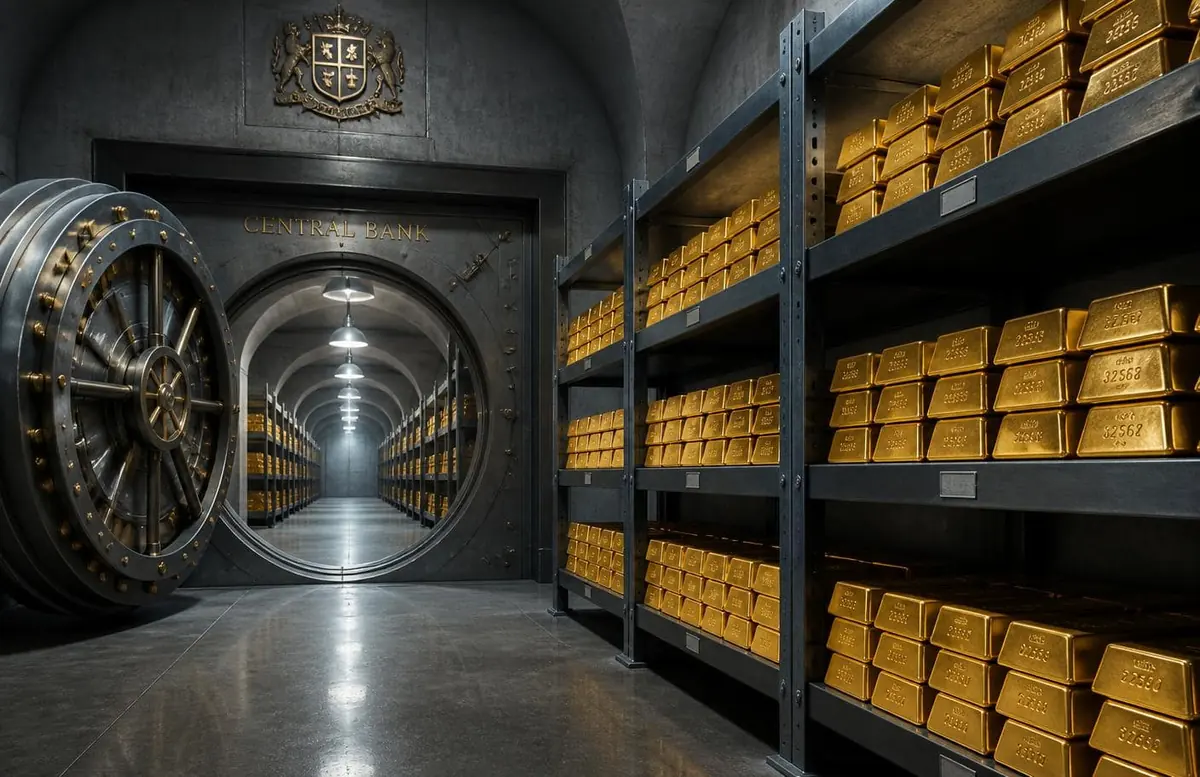
Polished steel and brass vault door of a central bank gold reserve, lit from one side

Reserve Management

Why Central Banks Started Buying Gold Again

For three decades official institutions were net sellers of bullion, and the policy consensus treated the metal as a museum piece. Then, quietly, the world's reserve managers reversed. The reasons are less about inflation than about the plumbing of settlement.

6 August 2026 · 14 min read

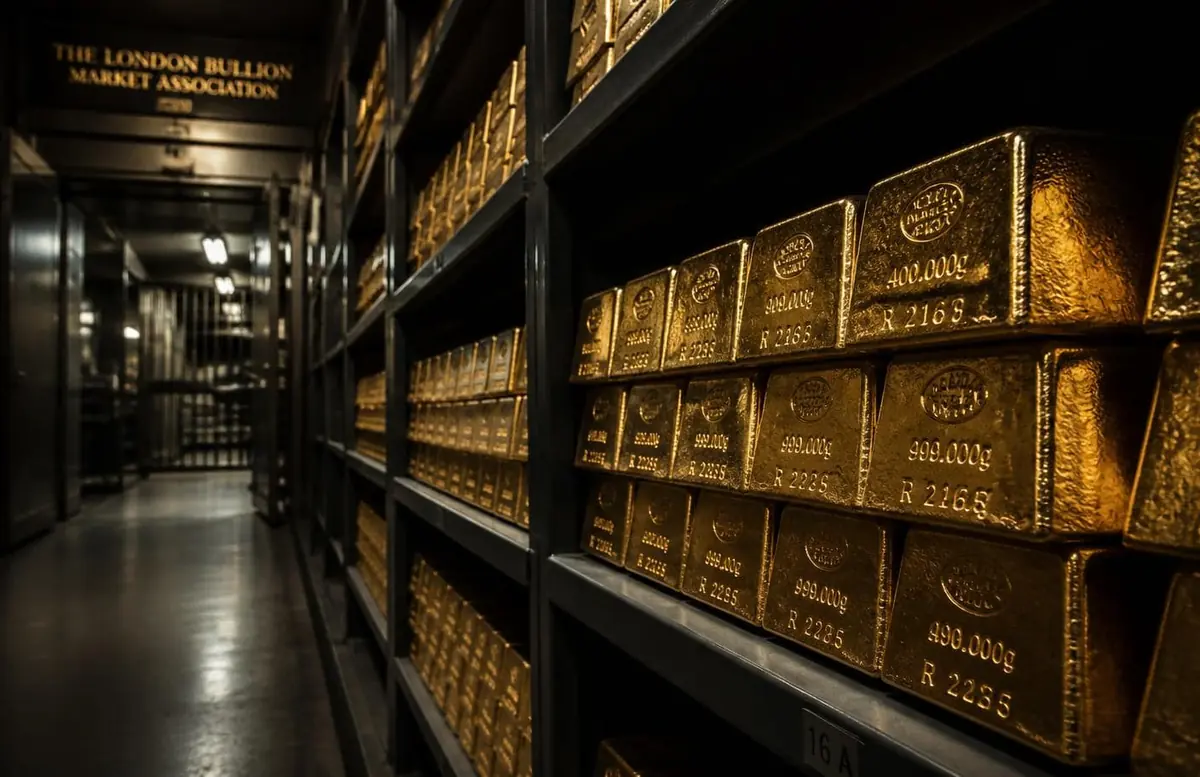
Stacked 400-ounce Good Delivery gold bars on steel shelving in a London bullion vault

Market Structure

Who Actually Sets the Gold Price

There is no single gold price. There is a London settlement number, a New York futures curve, a Shanghai premium and a jeweller's counter in Dubai — and the distance between them is where the market lives.

2 August 2026 · 16 min read

Answers

Questions readers ask this desk

Why are central banks buying gold again?
Reserve managers cite diversification away from single-issuer credit risk, sanction and settlement risk, and the absence of counterparty exposure. Net official-sector purchases have run positive since 2010 and accelerated after 2022.
What is gold repatriation?
Moving reserve bullion from foreign custodians — typically the Bank of England or the New York Fed — into domestic vaults. It trades liquidity and access to the London market for sovereign control and political optics.
What really moves the gold price?
Real interest rates, the dollar, official-sector demand and physical market stress in London and Zurich. Retail narratives usually lag those four by weeks.

Other desks