
Skip to content

The History Desk

The monetary history of gold

Five thousand years of ledgers, coinage, treaties and broken promises — reported as history, not folklore.

Gold's monetary career is usually told as a morality tale. Our history desk treats it as an evidentiary problem: what did people actually settle their debts with, under which rules, and what broke those rules.

Each piece here is sourced to primary records — mint accounts, treaty texts, central bank minutes — and written so that a reader with no background in monetary economics can follow the argument end to end.

Filter the archive by History
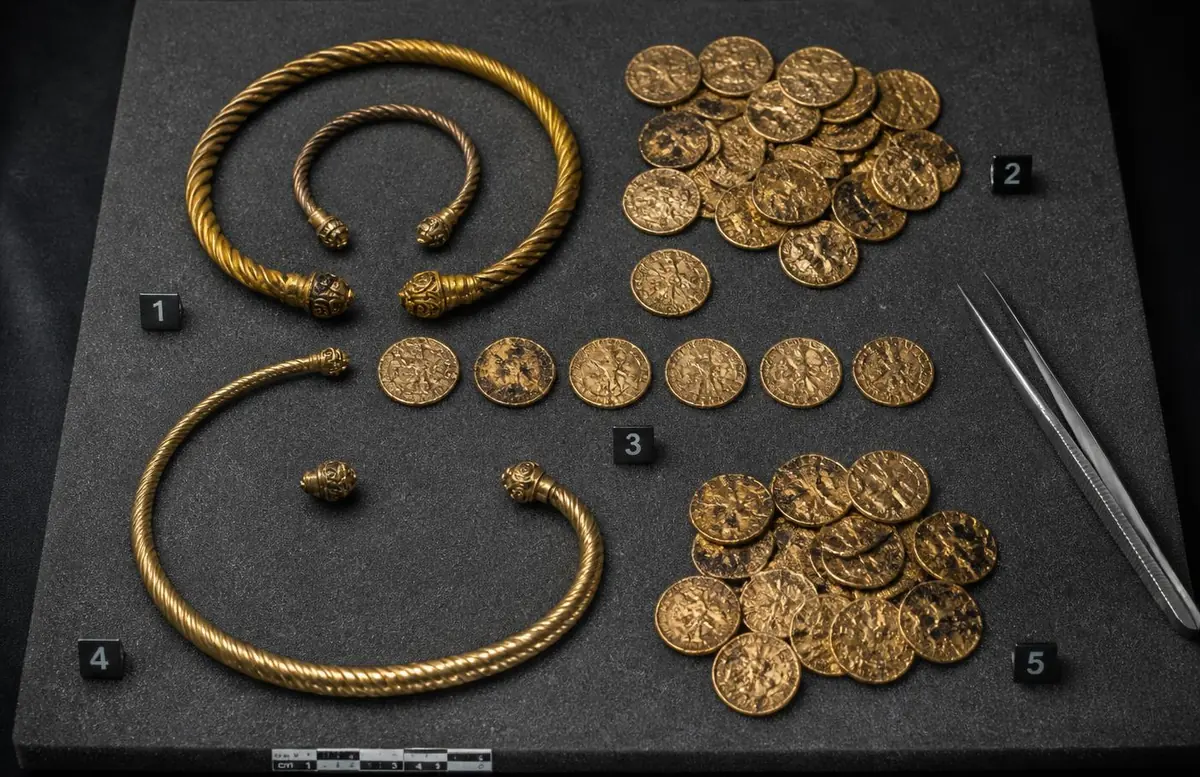
An excavated hoard of gold coins and torcs laid out on grey museum foam with numbered labels and conservator's tweezers

Archaeology

The Hoard Problem: What Buried Gold Actually Tells Us

A field of gold torcs and coins is a spectacular find and a treacherous document. The people who buried it were not writing to us, and the reasons they had for putting it in the ground are exactly what the ground does not record.

9 August 2026 · 16 min read
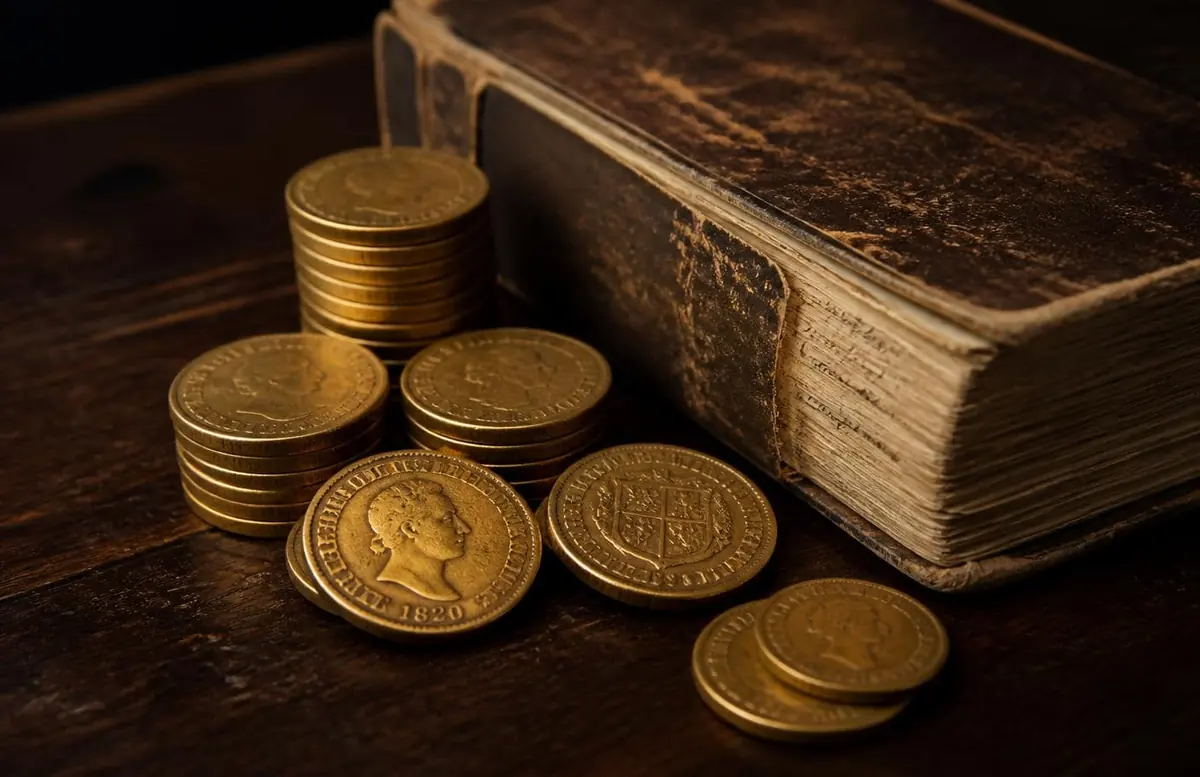
Antique gold coins stacked beside a worn leather ledger on dark wood

Monetary History

The Gold Standard: How a Soft Yellow Metal Became Money

For roughly five thousand years, humanity kept returning to the same element to settle its debts. The story is less about greed than about the unusually boring chemistry of atomic number 79.

14 July 2026 · 14 min read

Answers

Questions readers ask this desk

Why did gold become money in the first place?
Because of unusually boring chemistry. Gold is inert, so it does not corrode; it is dense, so value is compact; it is divisible and re-fusible without loss; and its annual supply grows slowly. Those four properties, not decree, made it a durable settlement asset across unrelated civilisations.
When did the classical gold standard actually operate?
Roughly 1870 to 1914. It was a short, unusually globalised episode rather than humanity's default monetary state, and it depended on capital mobility and the willingness of central banks to subordinate domestic policy to convertibility.
Did 1971 end gold's monetary role?
It ended official dollar convertibility. It did not end gold's role as a reserve asset: central banks still hold and, since 2010, have again been net buyers of bullion.

Other desks