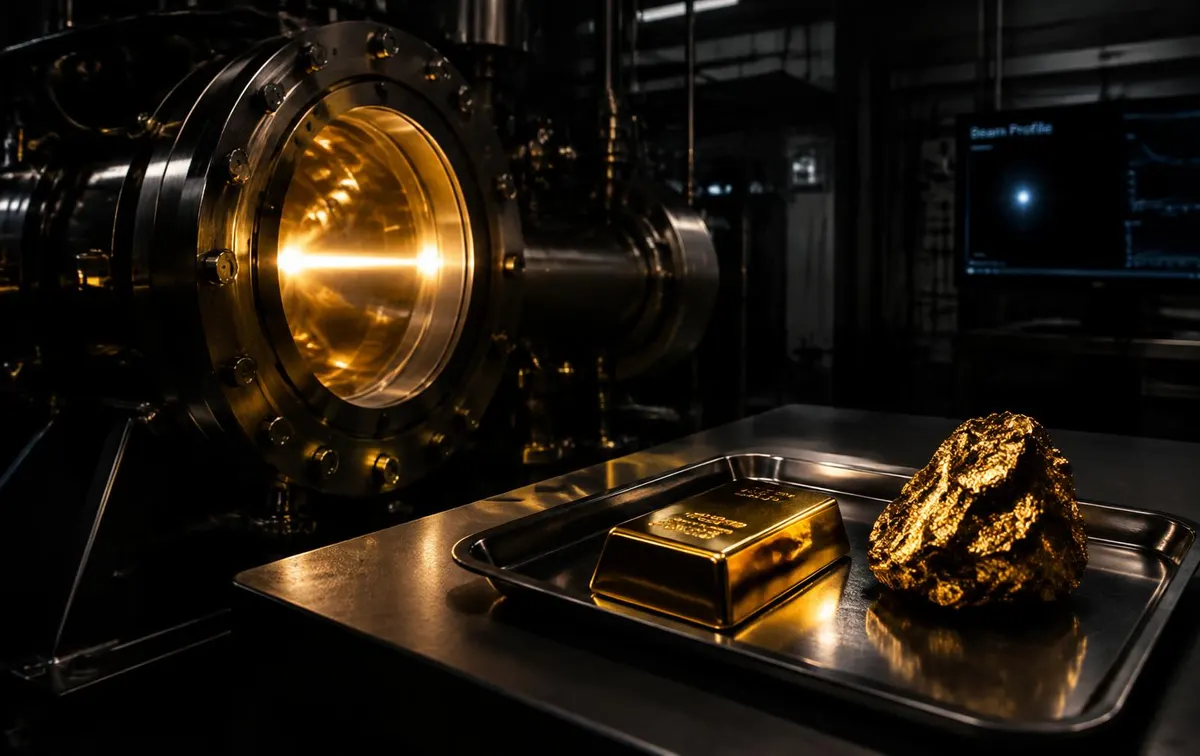
For two thousand years, making gold was the definition of a fool's errand. Physicists can now do it — in particle colliders, in reactors, and soon, some start-ups claim, as a by-product of fusion power. What follows is a sober look at what synthetic gold really is, what it costs, and whether it could ever unsettle a market built on the idea that gold cannot be made.
Every gram of gold on Earth was manufactured in an astrophysical catastrophe, arrived here after the planet had already formed, and was then concentrated by hot water. Three separate accidents, none of them likely, all of them necessary.
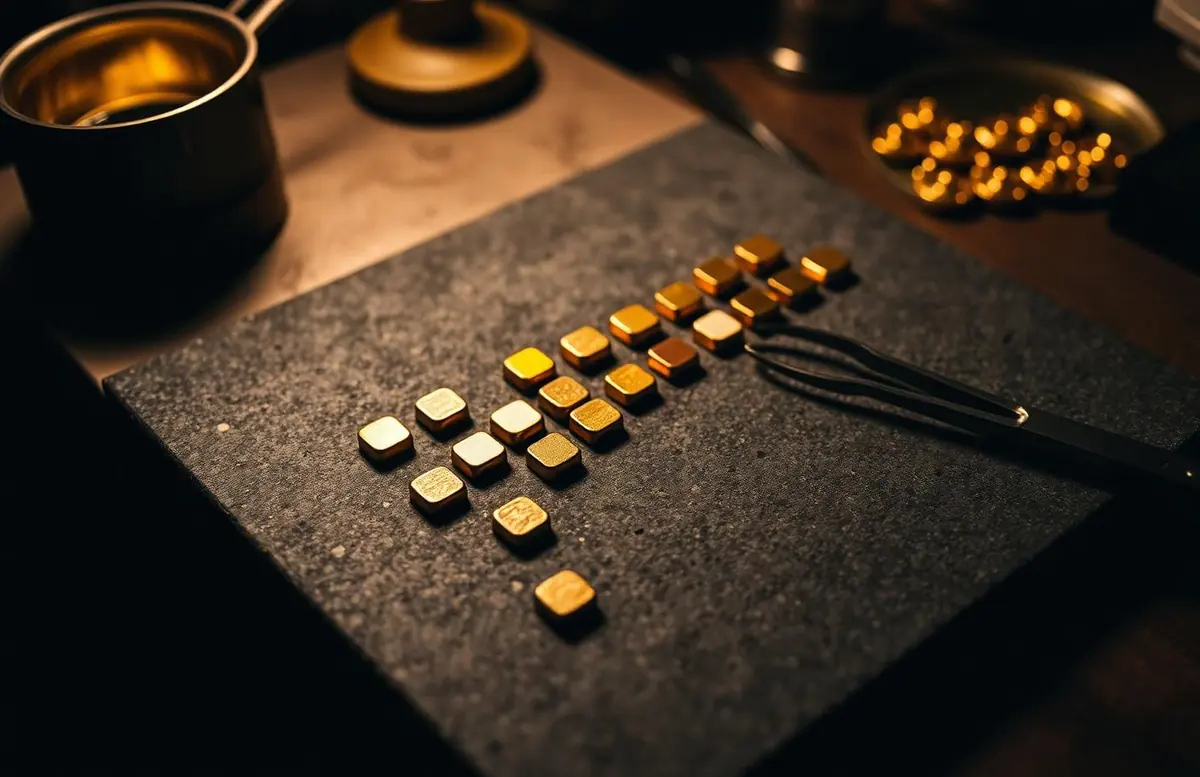
Pure gold is too soft to hold a stone, too soft to hold an edge, and the wrong colour for half the world's taste. Almost everything you own that is gold is a designed alloy — and the design is where the engineering lives.
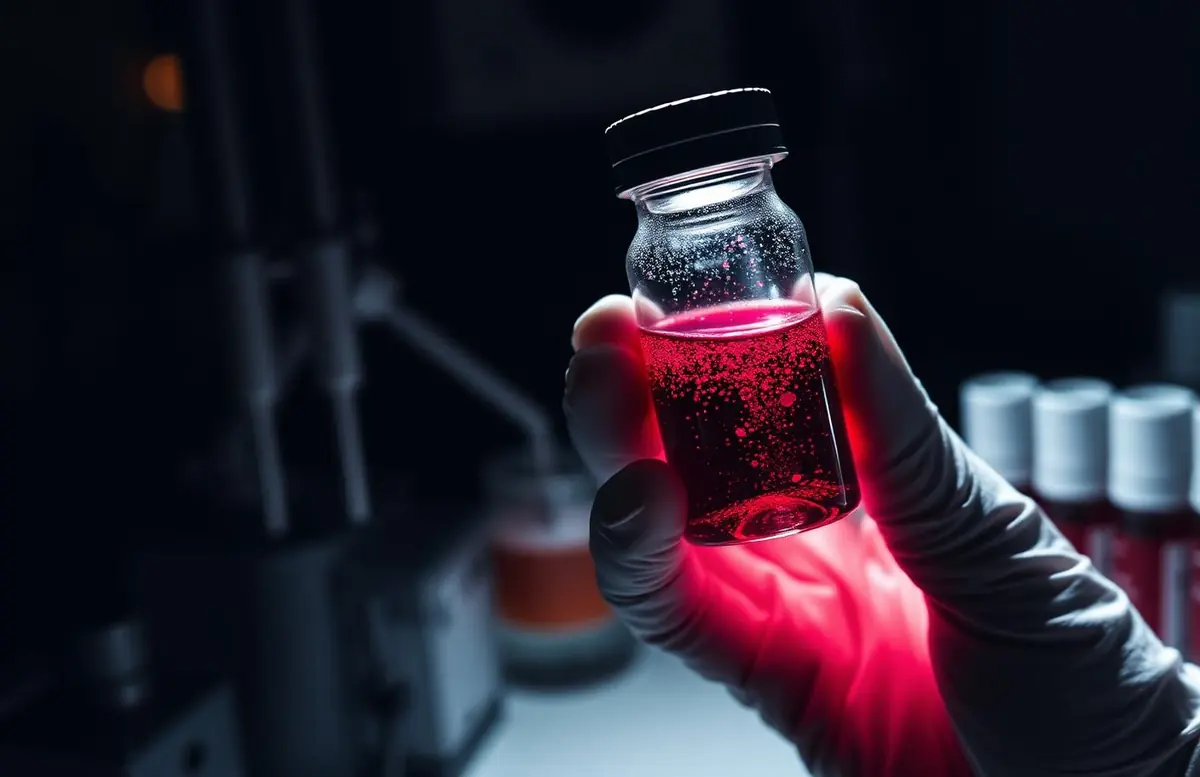
Divide gold finely enough and it stops being gold-coloured, stops being inert in the way you expect, and starts doing work in places no bullion bar could reach — including the test strip that told you whether you had a virus.